
Sagging gutters and poor support cause leaks and structural damage. This leads to costly repairs and water overflow. Proper gutter hanger installation ensures stability and protects the entire drainage system.
Gutter hangers are essential components that secure gutters to buildings, maintaining proper alignment and water flow. They prevent sagging, improve durability, and enhance the efficiency of rainwater drainage systems. Choosing the right gutter hanger brackets, spacing, and screws ensures long-term performance and reduces maintenance needs.
Understanding their role helps ensure a reliable and efficient rainwater system.
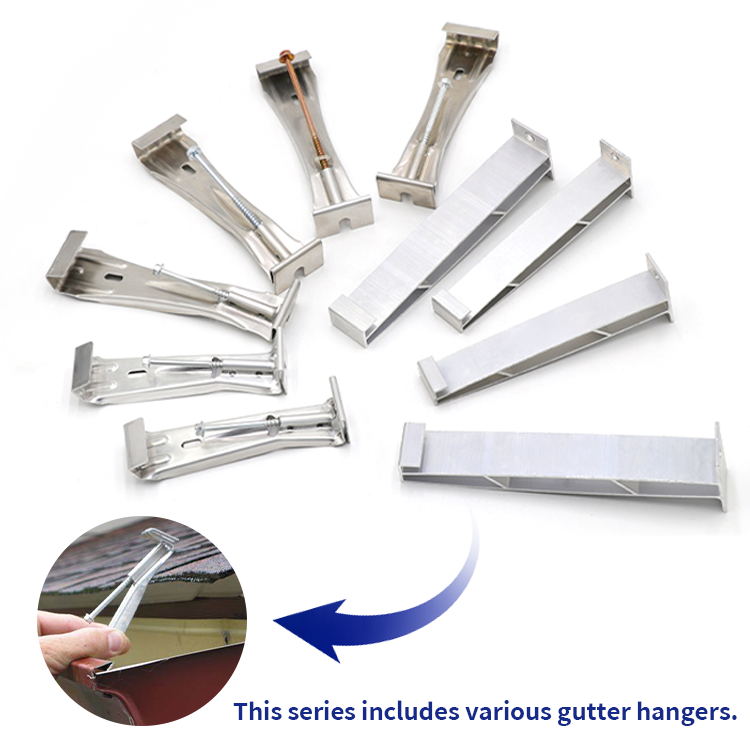
Are gutter hangers necessary?
Gutter hangers are absolutely necessary in any rainwater drainage system because they provide the structural support required to keep gutters securely attached to the building. Without a properly installed rain gutter hanger, gutters can sag, detach, or fail under the weight of water, debris, and environmental stress.
The primary function of a gutter hanger is to maintain the correct slope and alignment of the gutter system. This ensures that water flows efficiently toward downspouts instead of pooling or overflowing. When considering what is a gutter hanger, it is essentially a fastening device that connects the gutter to the fascia board or roof edge.
In addition, proper gutter hanger spacing is critical. If hangers are placed too far apart, the gutter may bend or collapse. Standard gutter hanger distance typically ranges from 24 to 36 inches, depending on the material and climate conditions. For example, aluminum gutter hanger spacing often requires closer intervals in areas with heavy rainfall or snow.
Without these supports, frequent gutter hanger repair would be unavoidable, leading to increased maintenance costs. Therefore, gutter hangers are not optional—they are fundamental to the durability and performance of any gutter system.
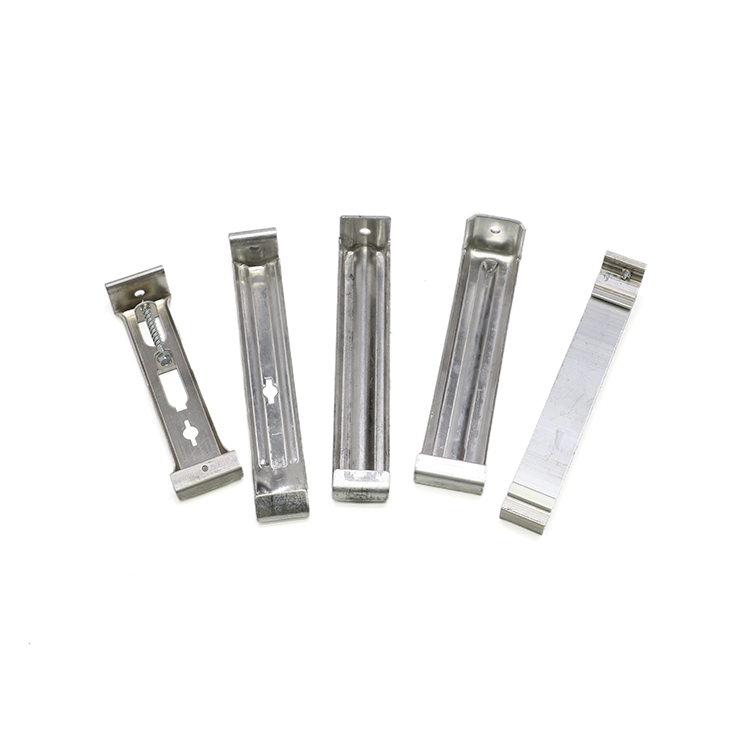
What is the best type of gutter hanger?
| Category | Key Details & Specifications |
|---|---|
| Top Recommended Type | Hidden gutter hanger systems; widely recognized as the most effective and aesthetically pleasing option, installed inside gutters for external invisibility while providing strong, consistent support |
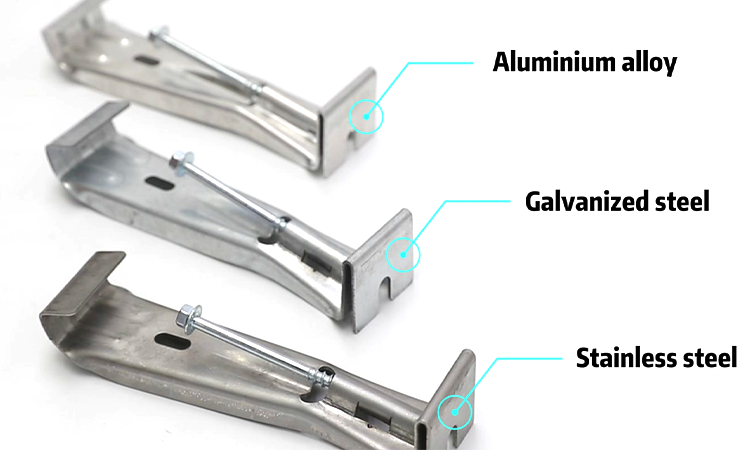
| Hidden Hanger Features | Made of durable, corrosion-resistant materials (aluminum/galvanized steel); ideal for modern home gutter systems prioritizing both functionality and appearance |
| Traditional Alternative | Spike-and-ferrule systems; use gutter hanger nails for fixation, cost-effective and traditional design, but less durable over time vs screw-based systems |
| Size & Application Matching | 5 inch gutter hanger: standard for most residential applications (fits typical gutter sizes); Reinforced gutter hanger brackets: preferred for commercial/heavy-duty systems (for extra structural strength) |
Ultimately, the best choice balances durability, ease of gutter hanger installation, and compatibility with the gutter system. High-quality materials and precision manufacturing ensure long-term performance and reduce the need for frequent repairs.
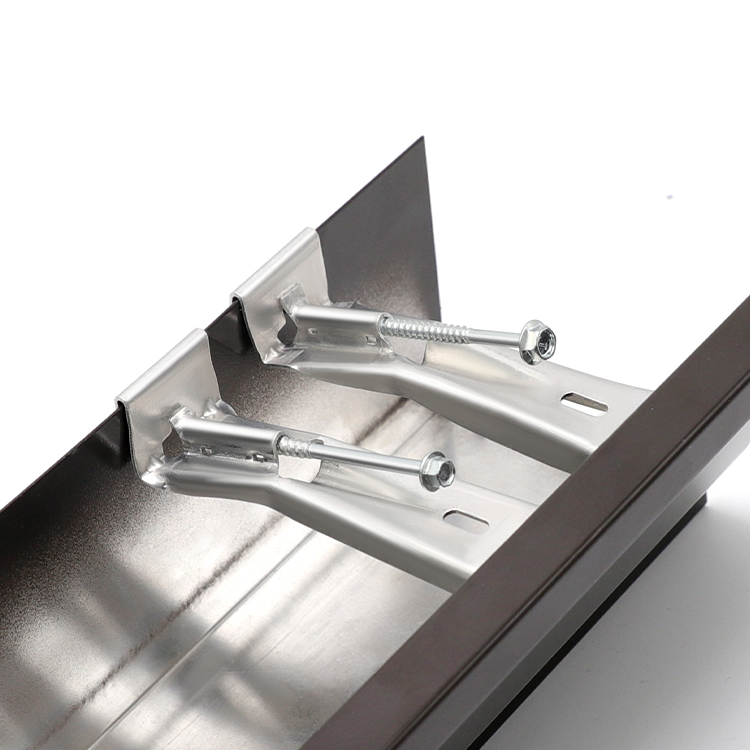
What screws to use for gutter brackets?
- Core importance: Choosing the right gutter hanger screws is critical to guarantee the stability and longevity of the entire gutter system; screws offer more secure and durable fastening than traditional gutter hanger nails, especially in regions with strong winds or heavy rainfall.
- Material selection: Self-drilling/self-tapping screws made of stainless steel or coated steel are the most commonly used for gutter hanger brackets. These materials deliver excellent rust and corrosion resistance, essential for outdoor use; stainless steel screws are ideal for long-term durability, particularly in coastal or humid environments.
- Screw length requirement: Screws need to be long enough to securely penetrate the fascia board, with a typical suitable length of 1.5 to 2 inches, ensuring the rain gutter hanger stays firmly fixed even under heavy loads.
- Specialized design & installation: Using screws specifically engineered for gutter hanger installation helps maintain proper alignment and reduces the risk of loosening over time; proper fastening also ensures correct gutter hanger spacing, preventing gutter sagging and associated structural problems.
Overall, investing in high-quality gutter hanger screws is a simple yet effective way to enhance the reliability and lifespan of the entire drainage system.
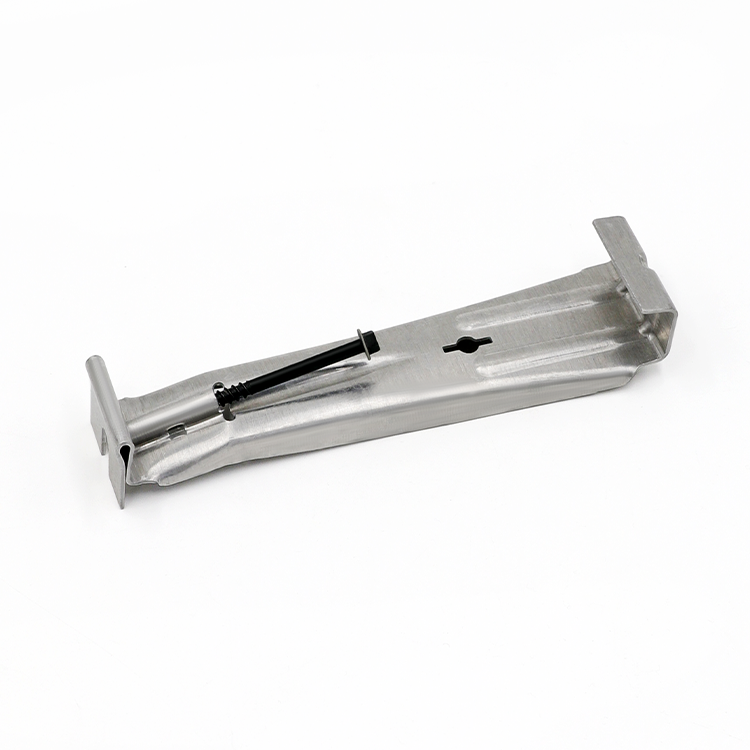
How often should gutter hangers be installed?
The frequency of gutter hangers installation is determined by spacing requirements, which directly impact the strength and performance of the gutter system. Proper gutter hanger spacing ensures that the gutter can handle the weight of water, debris, and environmental stress without sagging or failing.
In most residential systems, gutter hanger distance is typically set between 24 and 36 inches. However, in areas with heavy rainfall, snow loads, or strong winds, closer spacing is recommended. For example, aluminum gutter hanger spacing may be reduced to 18 to 24 inches in harsh climates to provide additional support.
During gutter hanger installation, it is also important to place hangers near critical points such as corners, downspouts, and joints. These areas experience higher stress and require extra reinforcement.
Regular inspection is essential to ensure that hangers remain properly spaced and securely fastened. Over time, environmental factors may cause loosening or shifting, requiring adjustments or gutter hanger repair.
By maintaining correct spacing and installation practices, the gutter system can achieve optimal performance, minimizing maintenance needs and extending its lifespan.
What are the signs of failing gutter hangers?
Recognizing the signs of failing gutter hangers is crucial for preventing serious damage to the rainwater drainage system. One of the most obvious indicators is sagging gutters, which occur when hangers lose their strength or become detached from the fascia.Another common sign is water overflow during rain. When gutters are not properly supported, they may tilt or lose their slope, preventing efficient water flow. This can lead to water pooling and eventual leakage.
Visible damage, such as rusted or broken gutter hanger brackets, is also a clear warning sign. In systems using older gutter hanger nails, loosening or pulling out of the fascia is a frequent issue, especially after prolonged exposure to weather.Unusual noises, such as rattling during wind or rain, may indicate that the hangers are no longer securely holding the gutter in place. This is often a precursor to more serious structural problems.
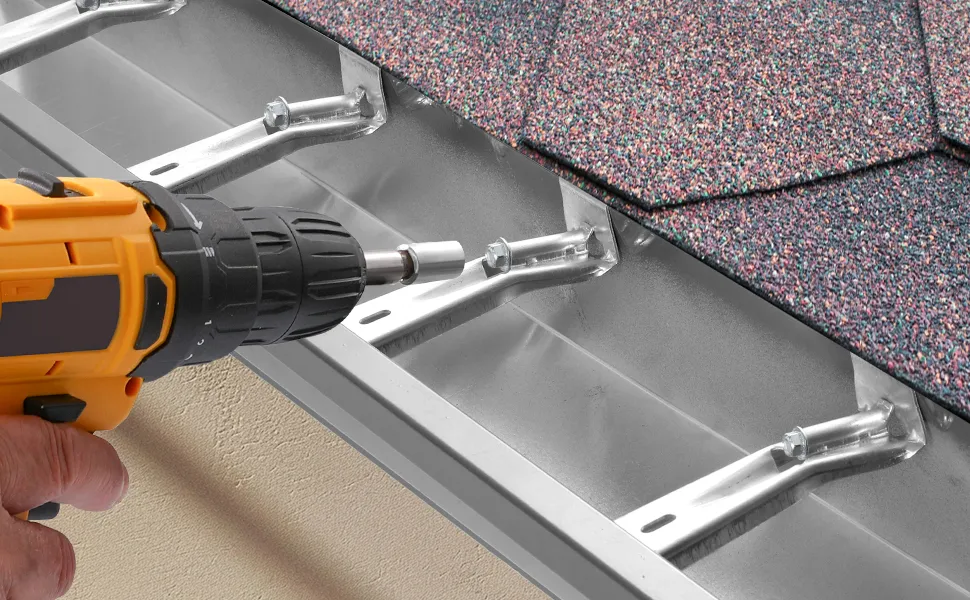
Timely gutter hanger repair is essential when these signs appear. Replacing damaged components with high-quality options, such as hidden gutter hanger systems and durable screws, can restore system stability and prevent further damage.Gutter hangers are vital for stability, proper drainage, and system longevity. Correct selection, spacing, and installation ensure efficient performance and reduce maintenance in any rainwater drainage system.
or further questions, please contact sale@rc-hardware.com.



 English
  Spanish
  French
  Russian