
Что такое заглушки для желобов?
Заглушки обычно изготавливаются из прочных материалов, таких как алюминий, пластик или металл, и рассчитаны на эксплуатацию в различных погодных условиях. Они устанавливаются в конечных точках желобов, создавая водонепроницаемое уплотнение, которое предотвращает утечку воды и обеспечивает её эффективное движение к водосточным трубам и сливным отверстиям.
Важность заглушек для желобов
Предотвращение утечек воды: Без заглушек вода может вытекать из открытых концов желобов, что приводит к неэффективному управлению водными потоками и потенциальным повреждениям от воды у фундамента здания. Заглушки создают надёжное уплотнение, гарантируя правильное направление всей собранной воды.
Эффективность системы: Герметизируя концы желобов, заглушки помогают поддерживать равномерный поток воды во всей системе. Это обеспечивает максимальную эффективность функционирования всей дренажной сети даже во время сильных дождей.
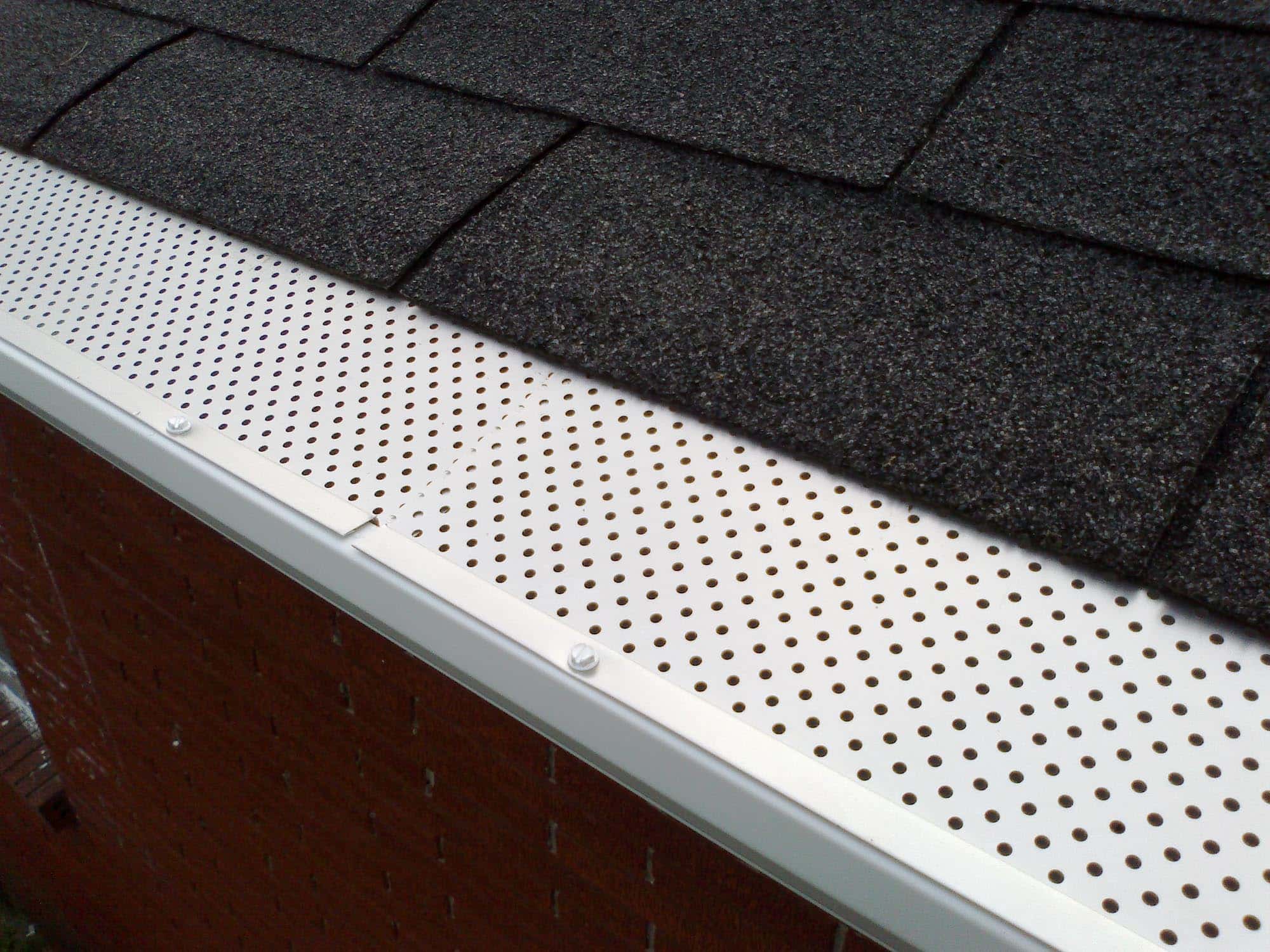
Защита от мусора: Заглушки также служат барьером против попадания мусора, листьев и других посторонних предметов в водосточную систему с торцов. Это снижает риск засоров и закупорок, которые могут ухудшить работу системы и увеличить потребность в обслуживании.
Структурная целостность: Правильно установленные заглушки способствуют общей стабильности и долговечности водосточной системы. Они предотвращают деформацию или коробление концов желобов со временем из-за воздействия воды и погодных условий.
Эстетическая привлекательность: Современные заглушки представлены в различных видах отделки и стилях, что позволяет им гармонично сочетаться с водосточной системой и повышать визуальную привлекательность объекта. Безупречно завершённая водосточная система отражает внимание к деталям и качество исполнения.
Экономия средств: Предотвращая утечки, снижая потребность в частом ремонте и продлевая срок службы водосточной системы, заглушки в конечном итоге приводят к значительной экономии средств для владельцев недвижимости.
В любой системе отвода дождевой воды заглушки могут казаться незначительными компонентами, но их роль весьма существенна. Они гарантируют, что система функционирует по назначению, обеспечивая водонепроницаемое уплотнение, повышая эффективность и защищая конструкцию от проблем, связанных с водой.





 Russian
  English
  Spanish
  French