
Les angles de gouttière obstrués ou endommagés provoquent des fuites, des débordements d'eau et des risques structurels - l'utilisation d'accessoires de gouttière de qualité garantit une protection durable.
Les angles de gouttière, également appelés mitres, relient les sections de gouttière en angle, dirigeant efficacement l'écoulement de l'eau. Une installation, un scellement et un entretien appropriés préviennent les fuites aux angles et les dommages coûteux.
Découvrez le rôle des angles de gouttière, leurs types et des conseils d'entretien pour maintenir la fiabilité et la sécurité des systèmes de drainage.
Quelles sont les différentes parties des gouttières ?
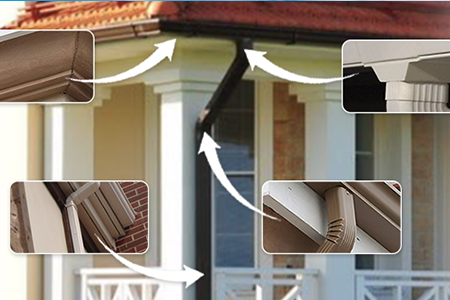
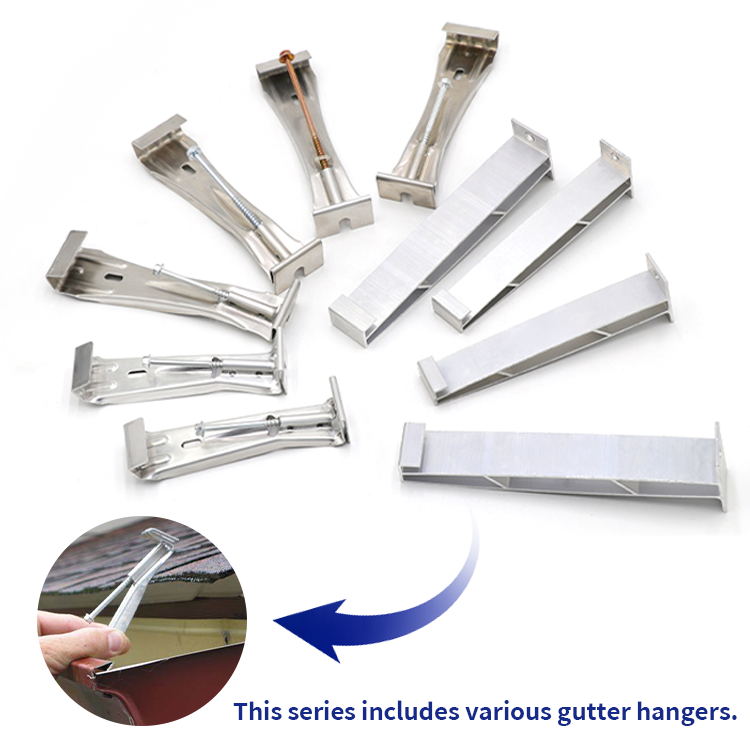
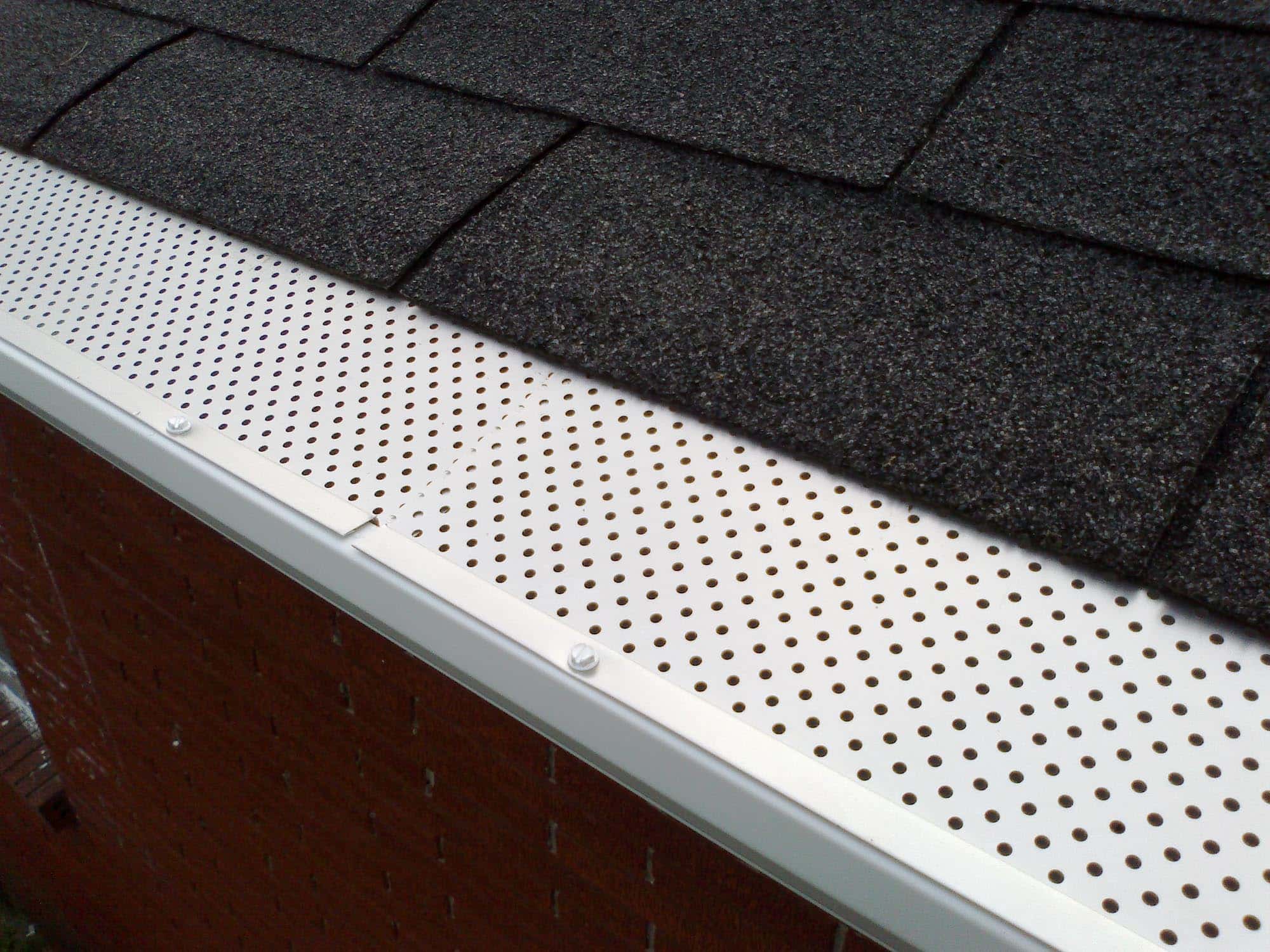
Un système de gouttière est composé de plusieurs éléments essentiels qui travaillent ensemble pour collecter et détourner l'eau de pluie loin d'un bâtiment. Les principales parties comprennent les sections de gouttière, qui canalisent l'eau, bouchons d'extrémité, qui scellent les extrémités, et sorties de gouttière, qui se connectent aux descentes pluviales. Descentes pluviales acheminent l'eau verticalement vers le sol, tandis que les protège-gouttières empêchent l'accumulation de débris et réduisent les problèmes de nettoyage de gouttière aux quatre coins. Suspension de gouttière soutiennent le système en le maintenant stable, tandis que les angles extérieurs de gouttière Les raccords d'angle relient les parties inclinées. Chaque élément, depuis la découpe des coins de gouttière jusqu'à l'installation de descentes autour des angles, assure un drainage efficace de l'eau et protège les fondations structurelles.
Un système de gouttière complet comprend les chéneaux, les bouchons d'extrémité, les sorties, les descentes, les crochets, les grilles de protection et les coins—tous travaillant ensemble pour canaliser l'eau et protéger les fondations du bâtiment.
Comment appelle-t-on les angles des gouttières ?
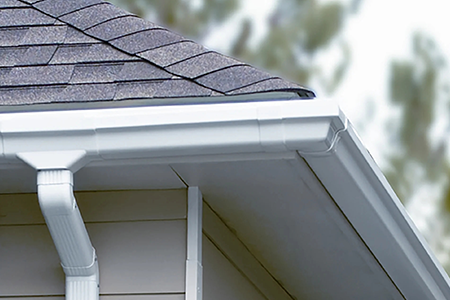
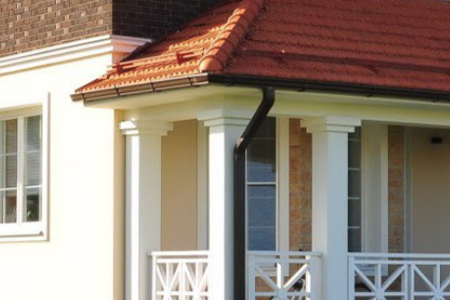
Les angles de gouttière sont communément appelés raccords d'angle pour gouttière ou coins de gouttière. Ce sont des raccords essentiels qui relient deux sections de gouttière selon un angle, généralement de 90° ou 45°. Il existe deux types principaux : les coins de gouttière intérieurs, utilisés lorsque la ligne de toit crée un angle rentrant, et angles extérieurs de gouttière, utilisés pour les angles sortants. Ces raccords aident l'eau à passer en douceur autour des coins sans fuite. Dans de nombreuses installations de gouttière en bricolage, un calfeutrage approprié est crucial car les fuites aux coins de gouttière surviennent souvent lorsque les raccords d'angle ne sont pas correctement installés ou mastiqués. Choisir le bon type de coin de gouttière assure durabilité et écoulement continu de l'eau.
Les coins de gouttière, aussi appelés raccords d'angle, relient les sections inclinées et existent en versions intérieure et extérieure; une sélection et un calfeutrage appropriés préviennent les fuites et garantissent un écoulement fluide de l'eau.
Comment connecter les coudes de gouttière aux angles ?
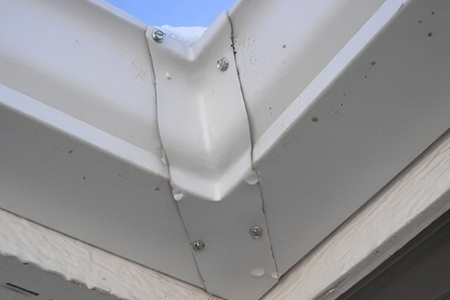
Assembler des coudes de gouttière dans les coins nécessite de la précision pour assurer un écoulement correct de l'eau vers les descentes. Tout d'abord, mesurez et coupez les sections de descente pour les ajuster. Ensuite, fixez le coudé de gouttière à la sortie avec des vis ou des rivets. Lors de la redirection de la descente de gouttière autour des coins, un second coude peut être nécessaire pour éloigner l'eau des fondations. Utilisez une courte pièce de raccordement, appelée “ section sertie ”, pour assembler solidement les coudes. Scellez les joints avec un mastic pour gouttière pour éviter les fuites aux coins. Pour l'installation de gouttière en DIY dans les coins, assurer une pente et un alignement corrects est essentiel pour éviter les débordements. Des coudes correctement connectés protègent la maison en canalisant l'eau efficacement.
Connectez les coudes de gouttière en les mesurant, coupant et fixant aux sorties avec des vis ou des rivets ; utilisez des sections serties et du mastic pour des joints étanches lors du routage des descentes autour des coins.
Comment remplacer les goussets d'angle ?
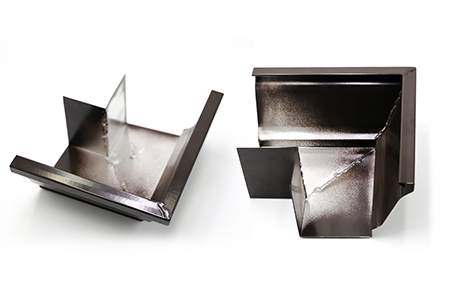
Remplacer les goussets de coin de gouttière commence par le retrait minutieux de l'ancien élément d'angle. Démarrez en dévissant ou en perçant les fixations retenant le gousset en place. Nettoyez les bords de gouttière environnants, en éliminant l'ancien mastic ou joint. Ensuite, positionnez le nouveau coin de gouttière—qu'il s'agisse d'un coin interne ou externe—et fixez-le solidement avec des rivets ou des vis. Appliquez un mastic pour gouttière le long des coutures pour éviter les fuites. Pour de meilleurs résultats, couper les coins de gouttière pour correspondre au profil exact de la gouttière assure un ajustement serré. De nombreux propriétaires préfèrent recourir à une aide professionnelle, mais avec les bons outils, l'installation de gouttière DIY dans les coins peut être réalisée efficacement. Une inspection régulière aide à prévenir une usure prématurée.
Remplacez les goussets de coin endommagés en retirant les anciens raccords, nettoyant la zone, installant une nouvelle coupe d'onglet et scellant les coutures pour restaurer l'intégrité et éviter les fuites.
Pourquoi les gouttières fuient-elles aux angles ?
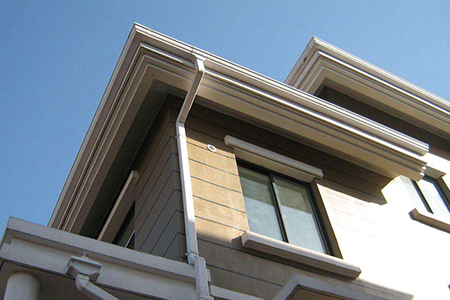
Les fuites aux coins de gouttière sont l'un des problèmes de gouttière les plus courants. Les causes principales incluent une installation incorrecte, où les coutures ne sont pas entièrement scellées, et la détérioration du mastic, là où le calfeutrage se dégrade avec le temps. L'accumulation de débris est un autre facteur, car les feuilles et la saleté obstruent les coins des protège-gouttières et forcent l'eau à refouler au niveau des joints. La dilatation et la contraction du métal dues aux changements météorologiques peuvent également desserrer les raccords, en particulier dans les coins extérieurs des gouttières. Un mauvais entretien, comme négliger le nettoyage des quatre coins de la gouttière, accélère les fuites. Identifier la cause profonde des fuites aux coins des gouttières garantit des réparations appropriées et prévient les dégâts des eaux sur les bardages et les fondations.
Les causes courantes des fuites aux coins des gouttières comprennent : un mauvais étanchéité, un calfeutrage usé, des débris obstruants, la dilatation/contraction du métal due aux changements de température, et un manque d'entretien.
Comment réparer un angle de gouttière qui fuit ?
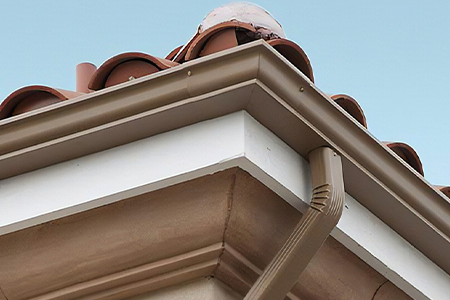
Pour réparer un coin de gouttière qui fuit, commencez par nettoyer soigneusement la zone – enlevez les débris, la saleté et l'ancien joint. Séchez complètement la surface avant d'appliquer du mastic ou un produit d'étanchéité pour gouttière le long de la couture. Pour les interstices plus importants, il peut être nécessaire d'ajouter une pièce de raccord ou de remplacer le gousset du coin. Lors de la réparation des coins extérieurs de gouttière, assurez-vous que tous les joints se chevauchent correctement et que les vis sont bien serrées. Si vous découpez des coins de gouttière pour les remplacer, mesurez soigneusement pour correspondre au profil de la gouttière. L'installation de protège-gouttières aux coins peut réduire les futurs blocages à l'origine des fuites. Que ce soit effectué par un professionnel ou dans le cadre d'un projet d'installation de gouttière DIY aux coins, une étanchéité appropriée garantit des résultats durables.
Réparer les fuites en nettoyant et séchant le joint, en réappliquant du produit d'étanchéité, ou en remplaçant le coin ; une bonne étanchéité et des protège-gouttières aident à prévenir les problèmes futurs.

Des coins de gouttière solides et étanches préviennent les fuites et protègent votre propriété contre des dégâts des eaux coûteux.
Des coins de gouttière bien installés et entretenus sont essentiels pour un système sans fuite qui dirige efficacement l'eau et protège la structure. Choisir le bon système de gouttière dépend des besoins de votre projet – la personnalisation garantit une adaptation parfaite. En tant que fabricant OEM/ODM professionnel, nous proposons des solutions standard et sur mesure en termes de taille, de matériau, et plus encore.
Pour toute question, veuillez contacter sale@rc-hardware.com.




 French
  English
  Spanish
  Russian