
Qu'est-ce qu'un panneau de porte de garage et comment le choisir ?
Les panneaux de porte de garage fissurés ou endommagés ne gâchent pas seulement l'esthétique de votre propriété, mais compromettent également l'isolation et la sécurité. Si ces problèmes ne sont pas résolus, ils peuvent entraîner une augmentation des factures d'énergie et des risques pour la sécurité. Ruichi Hardware propose des solutions sur mesure pour le remplacement des panneaux de porte de garage afin de restaurer la fonction et l'apparence. Les panneaux de porte de garage sont des sections individuelles qui constituent la face d'une porte de garage, souvent personnalisables et disponibles dans différents matériaux et styles. Découvrez comment choisir, entretenir et isoler les panneaux de porte de garage afin de maximiser leur durabilité et leur performance.
Qu'est-ce qu'un panneau de porte de garage ?
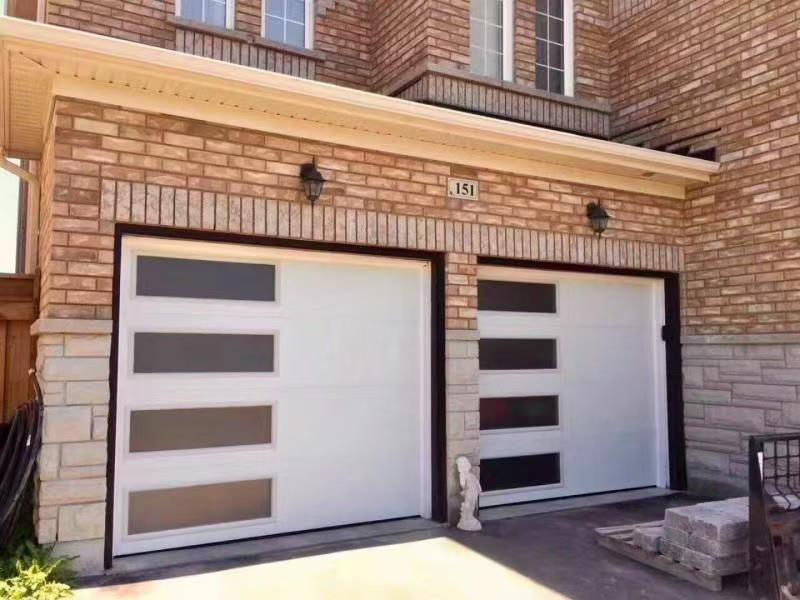
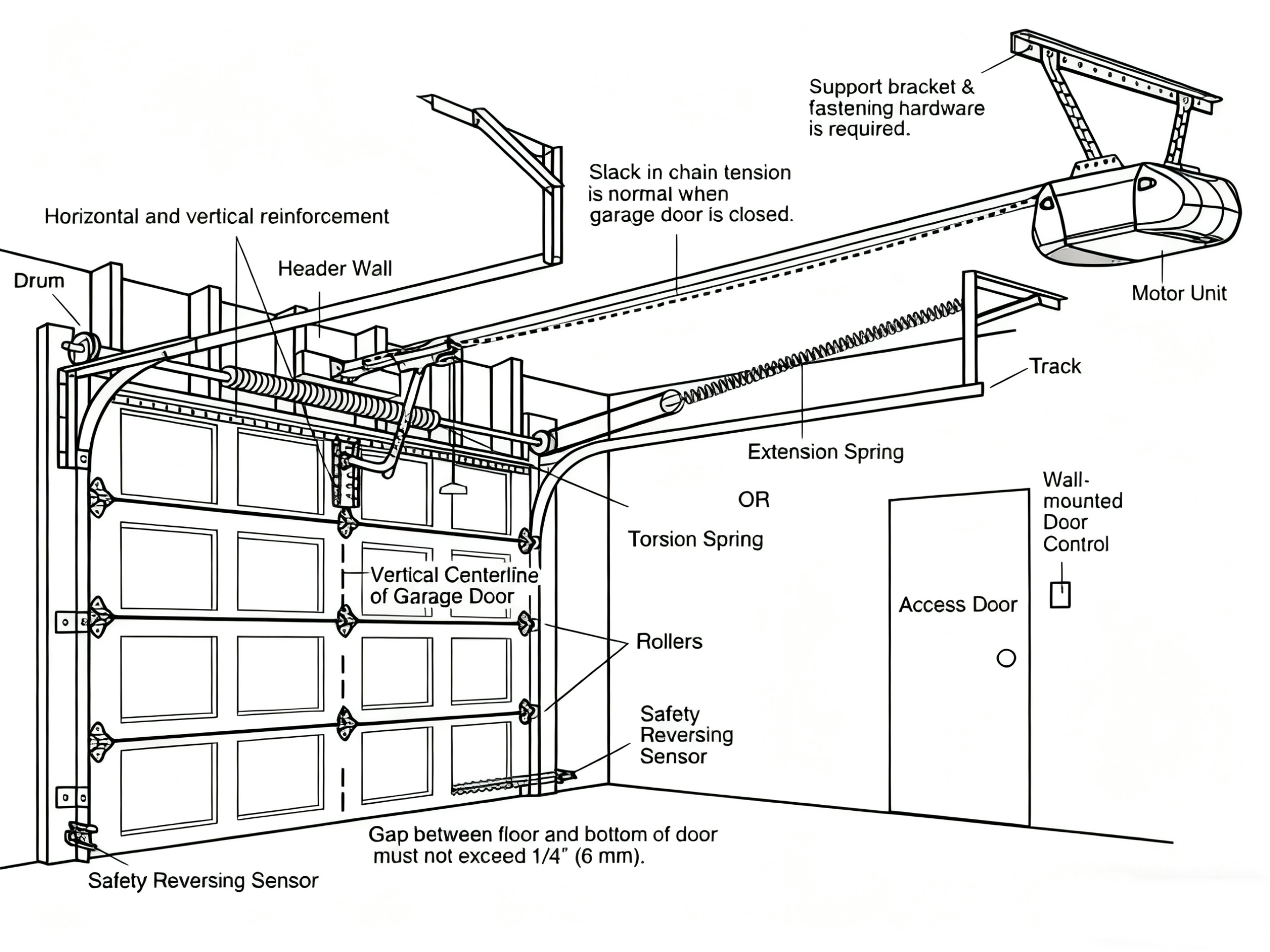
Les panneaux de porte de garage sont les éléments structurels et visuels qui forment la surface avant d'une porte de garage. Généralement disposés horizontalement en sections, ces panneaux peuvent être fabriqués dans des matériaux tels que l'acier, l'aluminium, le bois ou les matériaux composites. Chaque section est reliée par des charnières, ce qui permet à la porte de s'ouvrir et de se fermer en douceur le long de son rail. Chez Quincaillerie Ruichi, les panneaux de portes de garage sont conçus pour s'adapter à diverses configurations, y compris les styles de portes à grain de bois, de portes métalliques ou de portes roulantes. Les panneaux n'ont pas seulement une fonction fonctionnelle mais aussi une fonction esthétique, influençant l'attrait des propriétés résidentielles ou commerciales. La durabilité et la qualité de ces panneaux sont essentielles pour résister aux éléments extérieurs tels que le vent, la pluie et la neige.
Quels sont les types de panneaux de porte de garage ?
Il existe plusieurs types de panneaux de porte de garage en fonction du matériau, de la construction et des propriétés d'isolation :
- Panneaux en acier : Ces panneaux sont parmi les plus populaires en raison de leur durabilité et du peu d'entretien qu'ils nécessitent. Souvent disponibles en simple, double ou triple couche, ils peuvent être isolés pour une meilleure efficacité énergétique.
- Panneaux en aluminium : Légers et résistants à la corrosion, les panneaux en aluminium sont idéaux pour les environnements humides, mais ils sont moins résistants aux chocs.
- Panneaux de bois : D'aspect classique, les panneaux de bois nécessitent un entretien régulier pour éviter le gauchissement et le pourrissement. Ils sont couramment utilisés dans les garages personnalisés ou de luxe.
- Panneaux composites : Ils imitent l'aspect du bois mais sont fabriqués à partir de matériaux recyclés ou de mélanges synthétiques pour une meilleure durabilité et un entretien réduit.
- Panneaux de porte de garage isolés : Souvent construits avec des noyaux en polyuréthane ou en polystyrène, ces panneaux offrent une efficacité thermique, une réduction du bruit et une résistance structurelle - parfaits pour les garages à climat contrôlé ou pour les acheteurs soucieux de leur consommation d'énergie.
Les panneaux de remplacement de portes de garage Ruichi couvrent tous ces types et peuvent être personnalisés pour répondre aux exigences spécifiques d'un projet.
Comment choisir les panneaux de porte de garage appropriés ?
Lors du choix des panneaux de porte de garage, plusieurs facteurs doivent être pris en compte pour garantir des performances optimales et une compatibilité avec le design :
1. Compatibilité des matériaux : Choisissez un matériau adapté à vos conditions environnementales et à votre style architectural. Par exemple, les panneaux de porte de garage isolés sont idéaux pour l'efficacité énergétique dans les climats froids ou chauds.
2. Taille et ajustement des panneaux : Des mesures précises sont essentielles pour garantir une installation sans faille. Ruichi propose des dimensions sur mesure pour garantir un alignement et un fonctionnement parfaits.
3. Préférence en matière de style : Qu'il s'agisse de panneaux surélevés, d'encastrements ou de styles de porte cochère, le choix doit refléter l'extérieur du bâtiment et en améliorer l'attrait visuel.
4. Caractéristiques de sécurité : Envisager des panneaux renforcés ou compatibles avec des systèmes de verrouillage sécurisés, en particulier pour les propriétés commerciales ou de grande valeur.
5. Contraintes budgétaires : Le choix des matériaux et de l'isolation influe sur le coût. Les services OEM et ODM de Ruichi permettent de personnaliser le budget sans compromettre la qualité.
6. Besoins de remplacement : Si vous ne remplacez qu'une section endommagée, les panneaux de porte de garage doivent être assortis au design, à la couleur et au matériau existants. Avec plus de 20 ans d'expérience dans la fabrication, Ruichi Hardware aide ses clients à choisir les bons panneaux grâce à des conseils d'experts et à une production précise.
Comment isoler les panneaux d'une porte de garage ?
L'isolation des panneaux de portes de garage améliore la régulation thermique, réduit le bruit et renforce l'intégrité structurelle.
Il y a deux façons principales d'isoler :
1. Panneaux isolés intégrés De nombreux panneaux de portes de garage modernes sont pré-isolés :
- Polystyrène : Un isolant en mousse rigide, léger et rentable.
- Polyuréthane : un matériau plus dense qui offre une valeur R plus élevée par pouce, ce qui le rend plus efficace dans les températures extrêmes.
Ces options d'encastrement sont idéales pour les nouvelles installations et offrent une finition élégante sans couches supplémentaires.
2. Kits d'isolation du marché secondaire Pour les panneaux existants, des kits d'isolation peuvent être ajoutés manuellement. Il s'agit notamment de
- Panneaux revêtus d'une feuille d'aluminium - Isolation à bulles réfléchissantes - Panneaux en mousse rigide L'installation consiste généralement à mesurer les creux du panneau, à découper l'isolant aux dimensions voulues et à le fixer à l'aide d'un adhésif ou d'agrafes. Les panneaux de porte de garage isolés de Ruichi sont conçus pour l'efficacité énergétique, minimisant la perte de chaleur en hiver et le gain de chaleur en été. Cela réduit la charge sur les systèmes CVC et peut entraîner des économies d'énergie à long terme pour les propriétaires et les entreprises.
Résumé Choisissez les bons panneaux de porte de garage pour améliorer la durabilité, l'isolation et l'attrait visuel sans effort.



 French
  English
  Spanish
  Russian