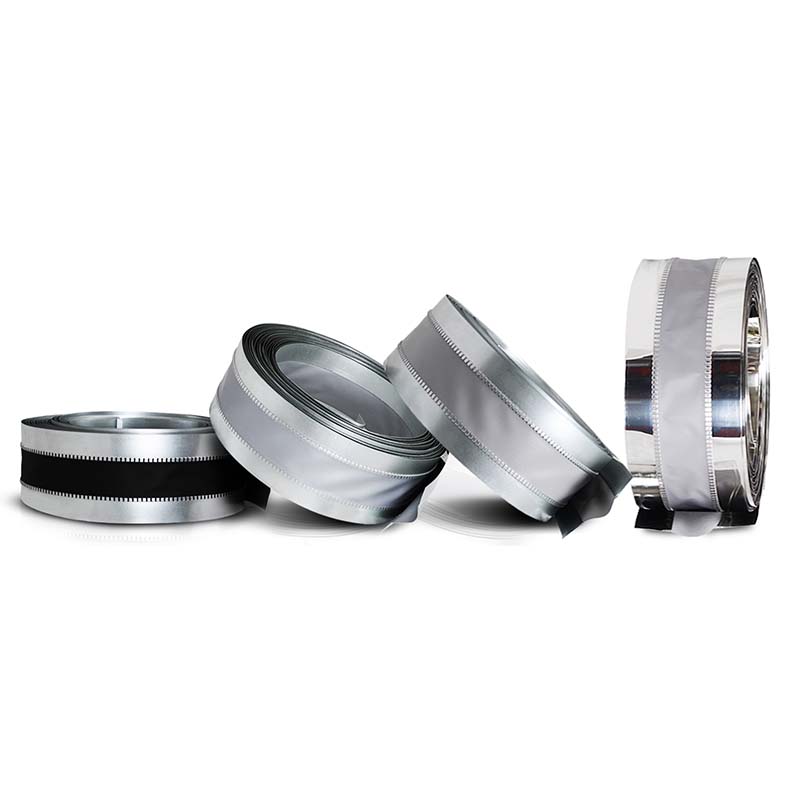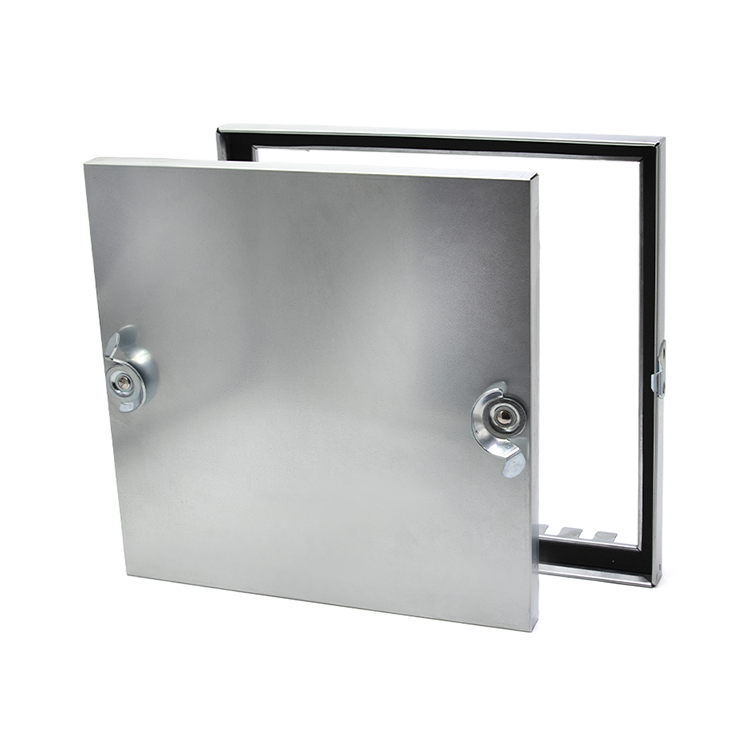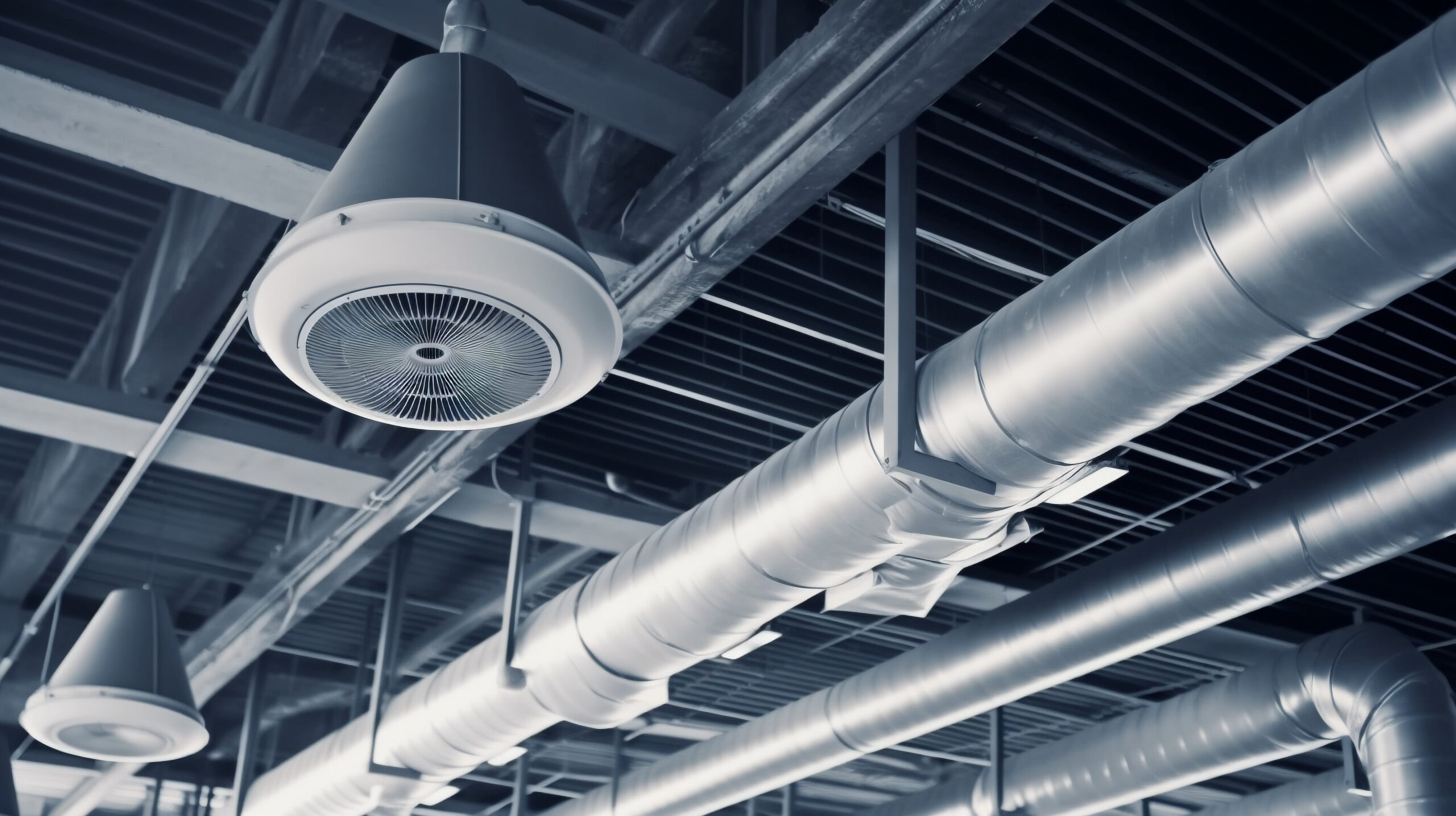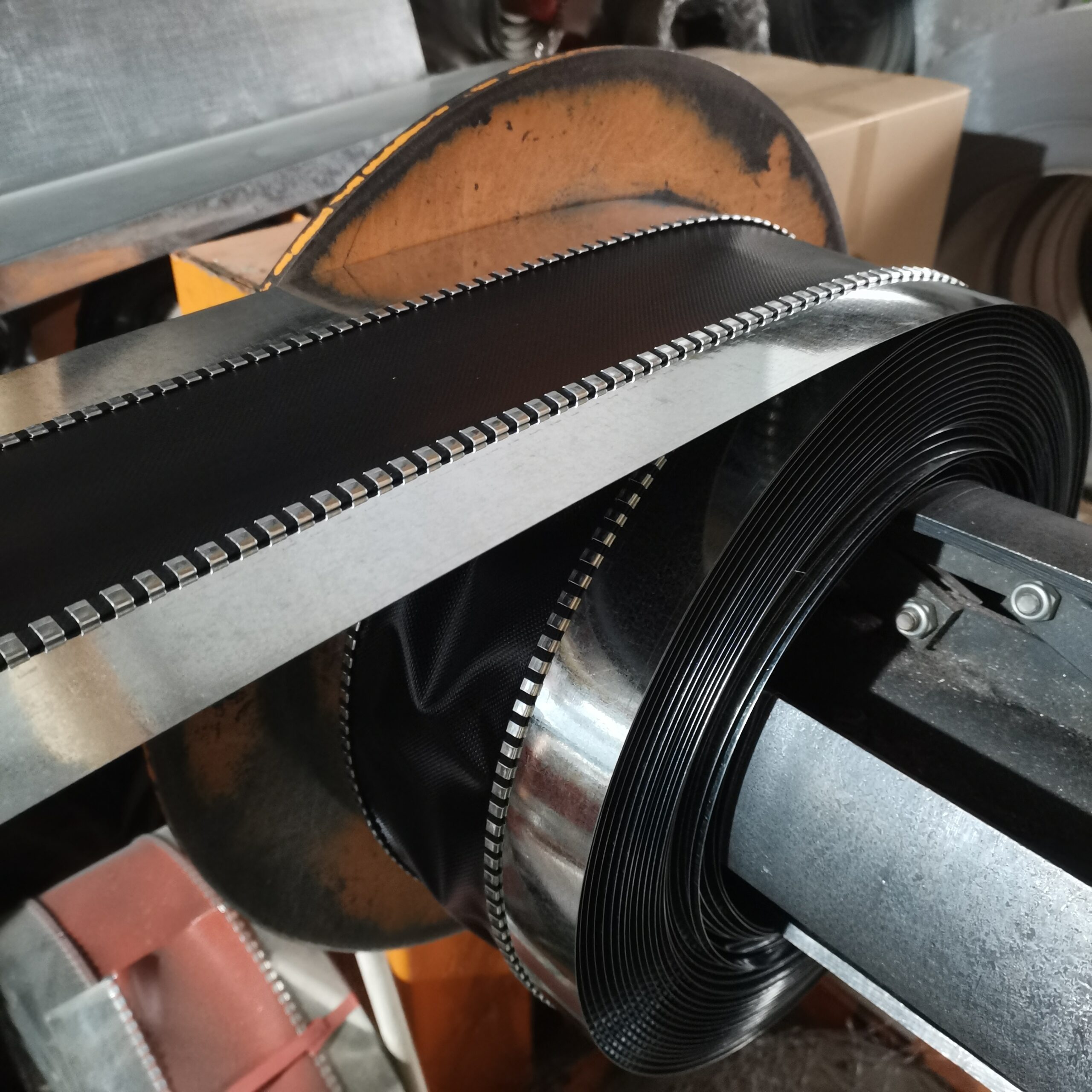
Poor airflow control leads to energy waste, uneven ventilation, and system inefficiency. These issues increase operational costs. Circular blades and dampers provide precise airflow regulation and improved HVAC performance.
Circular blades in HVAC systems are essential components used within blade dampers to regulate airflow efficiently. They help maintain balanced air distribution, reduce noise, and improve energy efficiency. Commonly found in various damper blade types, including single blade dampers and opposed blade dampers, they ensure accurate airflow control in both residential and commercial ventilation systems.
Understanding how these components function helps optimize system efficiency and long-term reliability.

What is a blade damper?
- Definition & Basic Structure
A key mechanical device for HVAC duct systems, composed of single/multiple rotating damper blades in a frame; circular blades are applied to round duct systems for smooth airflow and low resistance, enabling airflow volume and direction adjustment.
- Core Functions
Control and regulate airflow, maintain balanced airflow in different zones, and ensure indoor comfort and HVAC system efficiency.
- Adjustment Modes
Damper blades can be adjusted manually or automatically via actuators for precise airflow control.
- Specialized Design Advantages
Blade-to-blade vibration damper systems reduce operational noise and mechanical wear of the device.
- Application Scenarios
Widely used in ventilation, air conditioning and industrial air systems; also applied in safety systems (e.g., blade type fire dampers).
- Safety Performance
Blade type fire damper systems auto-close in fire incidents to prevent smoke and flame spread through ductwork.
- Overall Value
An essential component for modern HVAC systems, critical to airflow management, energy efficiency and system safety.

What is a single blade damper?
A single blade damper is a simplified type of blade damper that uses one circular or flat blade to control airflow. Single blade dampers are commonly used in smaller HVAC systems or applications where basic airflow control is sufficient.
The structure consists of a single rotating plate installed within a duct. When adjusted, it can fully open, partially restrict, or completely close airflow. Circular blades are particularly effective in round ducts, as they align perfectly with the duct shape, ensuring efficient sealing and minimal leakage.
One of the main advantages of single blade dampers is their simplicity and cost-effectiveness. They are easy to install, maintain, and operate, making them suitable for budget-conscious projects. However, compared to more advanced systems like an opposed blade damper or parallel blade damper, they offer less precise airflow control.
Despite their limitations, single blade dampers are widely used in exhaust systems, small ventilation units, and basic air regulation applications. Their reliability and straightforward design make them a practical choice for many HVAC installations.

What is the function of a damper?
The primary function of a damper in an HVAC system is to regulate airflow. By adjusting the position of damper blades, the system can control how much air flows through different sections of the ductwork. This ensures proper ventilation, temperature control, and energy efficiency.
Blade dampers also help balance air distribution across multiple zones. In large buildings, different areas may require varying airflow levels. Using adjustable dampers allows precise control, improving occupant comfort and system performance.
Another important function is energy conservation. By limiting unnecessary airflow, dampers reduce the workload on HVAC equipment, leading to lower energy consumption. This is particularly beneficial in commercial systems operating continuously.
Noise reduction is another advantage. Advanced designs such as blade to blade vibration damper systems minimize turbulence and mechanical vibration, resulting in quieter operation.
Additionally, safety is a critical function. Blade type fire damper systems are designed to automatically close during fire events, preventing the spread of flames and smoke through duct systems. Overall, dampers are essential for efficient, safe, and reliable HVAC operation.

How to choose an opposed blade damper for HVAC systems?
| Aspect | Key Details |
|---|---|
| Selection Significance | Critical for precise airflow control in HVAC systems; opposed blade design (multi-blades rotating in opposite directions) enables finer airflow adjustment than parallel blade damper designs. |
| System Size & Airflow | Must match duct dimensions and airflow capacity for optimal performance; circular blades are preferred for round duct systems to enhance sealing and operational efficiency. |
| Material Selection | Prioritize high-quality materials (galvanized steel, aluminum) for durability and corrosion resistance; ensures long-term performance, especially in harsh/demanding operating environments. |
| Adjustment Mechanism | Enables precise airflow balancing, essential for commercial HVAC systems; automated control options support real-time adjustments and further boost overall system performance. |
| Installation & Maintenance | Choose well-designed dampers for easy installation and minimal maintenance needs; select products from reliable manufacturers to guarantee consistent quality and an extended service life of the damper. |
By carefully evaluating these factors, users can select the most suitable opposed blade damper for their specific HVAC application.

What are the different types of damper blades?
There are several damper blade types used in HVAC systems, each designed for specific applications and performance requirements. The most common types include single blade dampers, parallel blade damper systems, and opposed blade damper systems.
Single blade dampers use one blade for basic airflow control and are suitable for simple systems. Parallel blade damper designs feature multiple blades that move in the same direction, making them ideal for open-and-close operations where precise control is not necessary.
Opposed blade damper systems, on the other hand, provide more accurate airflow regulation by moving blades in opposite directions. This design allows for better air balancing and is commonly used in complex HVAC systems.
Air damper blades can also vary in shape and material. Circular blades are typically used in round ducts, while rectangular blades are used in square or rectangular ducts. Specialized designs such as blade type fire damper systems focus on safety, while blade to blade vibration damper features enhance stability and reduce noise.
Understanding these different damper blade types helps in selecting the right solution for specific HVAC requirements, ensuring efficiency and reliability.

Circular blades and blade dampers are essential for airflow control, efficiency, and safety. Choosing the right damper type ensures optimal HVAC performance and long-term system reliability.
or further questions, please contact [email protected].