Hidden HVAC components become difficult to inspect without proper access. Poor accessibility increases maintenance costs and system downtime. The right access door ensures faster servicing and better system performance.
An access door provides safe and convenient entry to concealed HVAC components for inspection, maintenance, and repair. Choosing the right access panel door improves system efficiency, simplifies HVAC service, reduces maintenance time, and supports long-term equipment reliability.
Let’s explore why access doors matter and how to choose the best solution for your HVAC project.

What Is an Access Door?
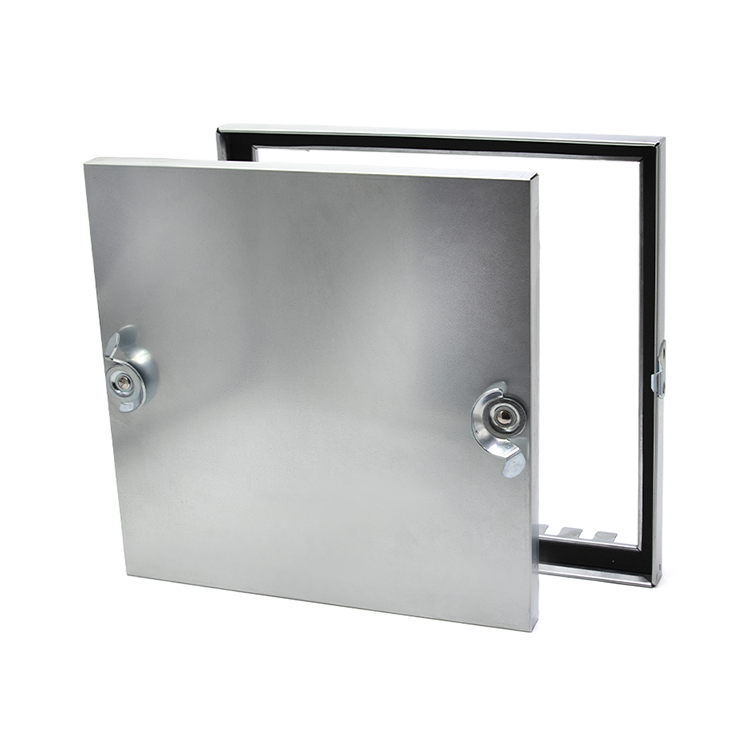
An access door is a removable or hinged panel that provides entry to concealed mechanical, electrical, or plumbing systems within a building. In the HVAC industry, hvac access doors allow technicians to reach important system components without damaging walls, ceilings, or ductwork. They are installed wherever regular inspection, cleaning, filter replacement, or repairs may be required.
An access panel door is commonly found on duct systems, mechanical rooms, utility walls, ceilings, and equipment enclosures. One of the most common examples is the hvac filter access door, which allows technicians to replace air filters quickly while minimizing disruption to the HVAC system. Proper accessibility also improves workplace safety by allowing maintenance personnel to inspect equipment without dismantling surrounding structures.
Modern access doors for hvac are manufactured from galvanized steel, stainless steel, aluminum, or insulated materials depending on environmental conditions and project requirements. Some models are fire-rated, while others provide airtight sealing to prevent air leakage and maintain system efficiency. High-quality hvac access door hardware, including hinges, latches, and locking mechanisms, ensures reliable operation throughout the product’s service life.
Whether used in commercial buildings, industrial facilities, or residential properties, an access door is a small component that delivers significant long-term value by simplifying maintenance and protecting the performance of the entire HVAC system.

What Are the Different Types of Access Panels?
Access panels are available in many designs to accommodate different building structures and maintenance requirements. Selecting the correct type depends on installation location, accessibility needs, insulation requirements, and environmental conditions.
Flush access panels are among the most common options because they blend neatly into finished walls and ceilings. These are widely used in commercial buildings where appearance is important. Surface-mounted panels are easier to install and are often selected for industrial facilities and utility rooms where functionality takes priority.
Insulated HVAC access doors are designed to reduce heat transfer and improve energy efficiency. These panels help maintain temperature control within duct systems while reducing condensation. Fire-rated access panels provide additional safety by slowing the spread of fire between building compartments and complying with local building regulations.
Specialized hvac filter access door designs simplify routine filter replacement, making regular HVAC service faster and more efficient. Lockable access panels offer additional security for sensitive equipment, while gasketed doors create airtight seals that minimize energy loss.
The quality of the hardware also plays an important role. Durable hvac access door handle designs provide comfortable operation, while premium hinges and latches ensure long-term reliability. Choosing the best access door hardware helps reduce maintenance costs and extends product lifespan, especially in demanding commercial and industrial applications.

How to Install an Access Door?
Proper installation is essential for ensuring both accessibility and long-term performance. Before beginning the installation, identify the equipment or duct section requiring future maintenance. The opening should provide sufficient working space for technicians while maintaining the structural integrity of the surrounding surface.
| Installation Steps | Operation Requirements & Notes |
|---|---|
| Marking & Cutting | After marking the opening dimensions, carefully cut the wall, ceiling, or duct panel according to the manufacturer’s specifications. |
| Frame Mounting | The frame should fit securely without distortion to ensure proper sealing. Fasteners should be tightened evenly to prevent gaps that could reduce system efficiency. |
| Sealing Treatment (HVAC Access Doors) | Particular attention should be paid to sealing. Air leakage around poorly installed panels can reduce HVAC system performance and increase operating costs. Weather-resistant gaskets or sealants are commonly used by installers to improve airtightness. |
| Hardware Inspection | Verify that the HVAC access door handle operates smoothly and that all locking mechanisms engage properly. |
| Special Panel Compliance | If installing insulated or fire-rated panels, ensure compliance with applicable building codes and manufacturer recommendations. |
Finally, perform a complete inspection after installation. Open and close the access panel several times, confirm that it aligns correctly, and ensure easy access for future hvac service procedures. Proper installation minimizes future maintenance difficulties and maximizes equipment accessibility.

How Do I Choose the Right Access Panel?
Selecting the right access panel begins with understanding the application’s functional requirements. The installation location, required access frequency, environmental conditions, and maintenance procedures all influence product selection.
1. Material selection
- Galvanized steel provides excellent strength and corrosion resistance for general commercial applications.
- Stainless steel is ideal for humid or corrosive environments.
- Aluminum panels offer lightweight performance where reduced weight is beneficial.
2. Size and functional features
- The required size should provide adequate access for technicians and necessary HVAC tools.
- Avoid creating unnecessarily large wall or ceiling openings.
- Airtight gasketed panels are recommended where energy efficiency is important.
- Insulated models help reduce heat transfer and condensation.
3. Hardware quality & accessories
Buyers should consider additional requirements: locking mechanisms, fire ratings, custom finishes.
Durable HVAC access door hardware (secure latches, corrosion-resistant hinges, ergonomic handles) improves usability and extends service life.
For distributors and contractors, partnering with an OEM manufacturer capable of customized sizes, logos, materials, and packaging provides additional flexibility. Selecting the proper access panel ultimately improves maintenance efficiency, extends equipment lifespan, and supports reliable HVAC installation projects.

How Much Does It Cost to Install an Access Panel?
The total cost of installing an access panel depends on several factors, including panel size, material, installation location, labor rates, and project complexity. Standard residential installations generally require less labor than commercial or industrial HVAC projects involving larger duct systems or specialized fire-rated assemblies.
Material selection significantly influences cost. Basic galvanized steel panels are often the most economical choice, while insulated stainless steel or fire-rated access doors typically involve higher manufacturing and installation expenses. Premium hardware, including the best access door hardware, may increase initial investment but often reduces maintenance costs over the product’s lifetime.
Installation costs also vary depending on whether the panel is being added during new hvac installation or retrofitted into an existing building. New construction usually allows easier access, reducing labor requirements. Retrofit projects may involve additional cutting, reinforcement, or finishing work.
Although higher-quality products may have a greater upfront cost, they often deliver better long-term value through improved durability, easier maintenance, and enhanced HVAC system efficiency. For contractors and distributors, investing in reliable access panels frequently results in lower lifecycle costs and higher customer satisfaction.

Conclusion
The right access door improves HVAC efficiency, simplifies maintenance, reduces long-term costs, and supports reliable system performance for every project.
Or further questions, please contact [email protected].