
A practical buying guide to TDF and TDC duct flange corners — what the corner component does in a rectangular duct connection, how it is installed, which material and thickness to specify, and what to confirm with a Supplier before placing a bulk order.

A poorly matched duct connection can create installation problems, alignment issues, and unnecessary rework. A TDF/TDC duct flange corner provides a practical connection component for joining duct sections in HVAC and ventilation systems. It is a small part of the assembly, but on a project with hundreds of duct sections, the corner is what keeps every flanged joint consistent.
A TDF/TDC duct flange corner is a metal corner component used with duct flange systems to connect and align HVAC duct sections. Galvanized steel is a common material, while dimensions, thickness, and other specifications can be customized according to drawings or samples.
For HVAC contractors, duct manufacturers, wholesalers, and project buyers, the important factors are not only the shape of the corner, but also material, thickness, dimensional consistency, surface treatment, and compatibility with the intended duct flange system. This guide works through each of those points in the order a buyer normally meets them.
What Is a TDF/TDC Duct Flange Corner?
A TDF/TDC duct flange corner is a metal corner fitting used as part of a duct flange connection. It is installed at the corners of rectangular ventilation ducts to help connect duct sections and maintain a consistent connection structure.

In HVAC ductwork, flange systems provide a defined connection around the edges of duct sections. The flange corner works together with the surrounding flange structure to help bring the duct sections together during installation.
This makes the duct flange corner a relatively small component with an important practical role. When many duct sections are installed across a commercial or industrial HVAC project, consistent corner dimensions can make assembly more predictable and reduce unnecessary fitting work. A corner that is even slightly out of specification shows up as extra labour on site, which is why the drawing matters more than the photo. You can see the standard configuration on the TDF/TDC flange duct corner product page.
Typical Product Specifications
| Item | Specification |
|---|---|
| Product | TDF/TDC Duct Flange Corner |
| Material | Galvanized Steel Sheet |
| Application | HVAC and ventilation duct connections |
| Surface Treatment | Zinc-coated / galvanized surface |
| Thickness | 0.8–2.5 mm |
| Customization | Available according to sample or drawing |
How Does a Duct Flange Corner Connect HVAC Duct Sections?
A duct flange corner is used at the corner of a rectangular duct flange system. During installation, the corner component works with the flange around the duct opening so that adjacent duct sections can be positioned and connected.
The three stages below show what the corner actually does: it is fitted into the flange frame at each corner, and the two duct ends are then brought together and secured.

The basic connection process can be understood as:
- Prepare the rectangular duct sections.
- Install or form the required flange structure around the duct edges.
- Position the TDF/TDC flange corners at the duct corners.
- Align the connecting duct sections.
- Secure the flange connection using the appropriate installation method and hardware.
The exact installation method can vary depending on the duct design, flange system, project requirements, and installation hardware. For this reason, buyers should confirm the required corner dimensions and flange compatibility before placing a bulk order. A full range of HVAC duct and ventilation products is usually reviewed at the same stage as the duct drawing.
What Is the Difference Between TDF and TDC Duct Flange Systems?
TDF and TDC are both associated with flange-based rectangular duct connection systems. The terminology is commonly used when specifying duct flange components and related accessories.

| Feature | TDF | TDC |
|---|---|---|
| System | TDF flange system | TDC flange system |
| Typical application | Rectangular HVAC ductwork | Rectangular HVAC ductwork |
| Corner component | TDF duct flange corner | TDC duct flange corner |
| Purpose | Duct section connection | Duct section connection |
| Common material option | Galvanized steel | Galvanized steel |
For purchasing purposes, the most important point is to match the corner component with the actual flange system used in the project. Buyers should provide a drawing, sample, dimensions, or existing component when there is uncertainty about the required specification.
What Materials Are Used for TDF and TDC Duct Flange Corners?
Galvanized steel sheet is a practical material for duct flange corner production because the component is used in HVAC and ventilation applications where dimensional consistency and surface protection are important considerations.

The product specification provided for this component includes a thickness range of 0.8–2.5 mm and a zinc-coated surface treatment. The actual material and thickness can be selected according to the requirements of the application and buyer specification.
For B2B buyers, material selection should be confirmed together with:
- Material grade
- Sheet thickness
- Corner dimensions
- Flange compatibility
- Surface treatment
- Required quantity
- Packaging requirements
When the product is being used across a large HVAC project, consistent specifications across batches are particularly important because even small dimensional differences can affect assembly efficiency.
Where Are TDF/TDC Duct Flange Corners Used?
TDF/TDC duct flange corners are used in rectangular ductwork and ventilation systems where duct sections need to be connected through a flange-based system.

Typical application areas can include:
- Commercial HVAC systemsoffices, retail, hospitality
- Building ventilation systemsfresh air and exhaust ducting
- Air-conditioning ductworksupply and return air runs
- Industrial ventilation systemsprocess and workshop air handling
- Air distribution systemsduct runs feeding diffusers and grilles
- Rectangular sheet metal ductworkfabricated and prefabricated sections
For duct manufacturers and HVAC contractors, the corner is one component within a larger duct connection system. Its performance and installation suitability therefore depend on the overall flange design and the specifications of the connected duct sections.
This is also why purchasing the corner component independently requires more attention than simply checking its appearance. The dimensions and connection requirements need to match the actual ductwork being produced or installed. The wider range of duct accessories and duct connection components should be reviewed against the same drawing.
Can TDF/TDC Duct Flange Corners Be Customized?
Yes. Custom TDF/TDC duct flange corners can be produced according to a buyer’s sample or drawing. This is particularly useful when standard dimensions do not match an existing duct production line or a specific HVAC project.
Customization can be discussed around the buyer’s:
For OEM and ODM projects, providing a technical drawing or physical sample gives the Manufacturer a clearer reference for production. It also helps reduce misunderstandings about dimensions, corner geometry, and connection requirements before mass production begins.

For wholesalers and distributors, customized production can also help support different customer specifications without requiring them to redesign their complete duct connection system. Buyers who need this route can review the custom metal stamping and OEM / ODM service before sending drawings.
What Should Buyers Check When Choosing a Duct Flange Corner Supplier?
Choosing a duct flange corner Supplier is not only about comparing unit prices. For bulk HVAC components, dimensional consistency, material specifications, and production capability can have a direct effect on installation and downstream assembly.

Before placing a bulk order, buyers should confirm the following six points:
1Material and Thickness
Confirm the required galvanized steel specification and thickness before production. For this product, the available thickness range is 0.8–2.5 mm.
2Dimensions and Compatibility
Confirm that the corner dimensions correspond to the required TDF or TDC flange system and the buyer’s duct specifications.
3Surface Treatment
Specify the required galvanized or zinc-coated surface treatment and confirm whether additional requirements apply to the finished product.
4Sample and Drawing Support
A capable Manufacturer should be able to review a buyer’s sample or drawing and clarify the production specifications before placing a bulk order.
5Production Consistency
For wholesale and project orders, consistent dimensions from batch to batch are important. Buyers should ask about inspection procedures and production quality control before ordering.
6OEM and ODM Capability
If the product needs to follow a customer’s own dimensions or design, confirm whether the Supplier supports OEM and ODM production rather than only supplying standard products.
A capable duct flange corner Manufacturer should be able to discuss these points before production rather than treating a small stamped part as a commodity item. For importers and distributors, that early technical communication is what prevents repeated sampling and inconsistent batches.
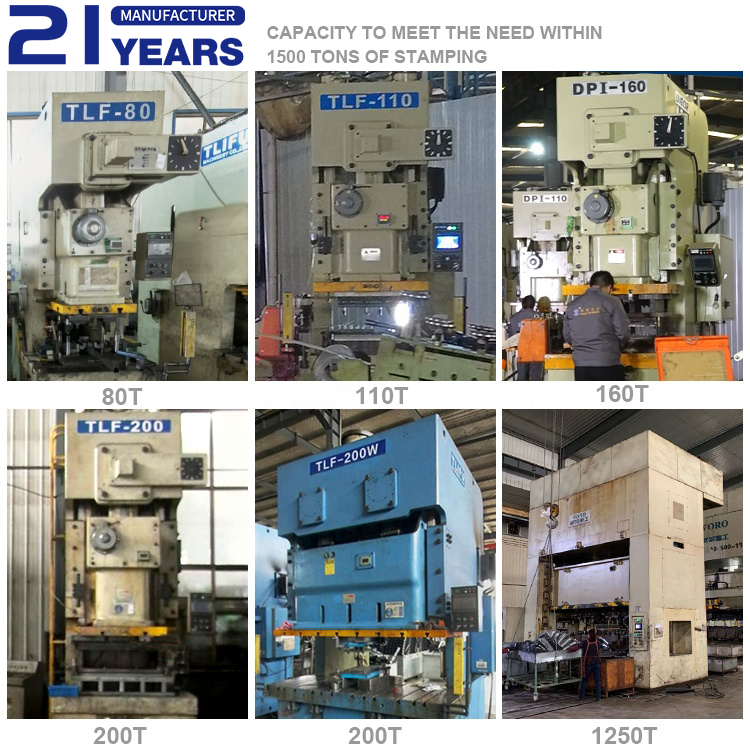
RC Hardware Manufacturer produces stamped and formed metal components for buyers who need specific dimensions, materials, tooling, packaging, and production quantities. For OEM and ODM projects, buyers can send drawings, product samples, dimensions, or project requirements for production evaluation.
Need Custom TDF/TDC Duct Flange Corners?
Whether you are a duct manufacturer, HVAC contractor, wholesaler, distributor, or project buyer, we can manufacture duct flange corners according to your requirements.
Send us your sample, drawing, dimensions, material requirements, thickness, or target quantity for evaluation.



 English
 Spanish
 French
 Russian
 Portuguese
 German
 Arabic