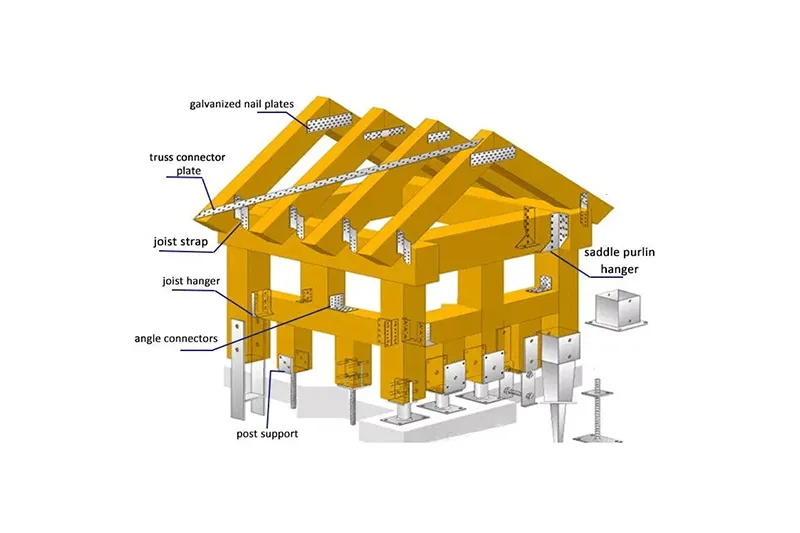
In modern timber construction, every connection plays an important role in structural safety and long-term performance. While timber beams and frames receive most of the attention, the small components that hold these structures together are equally critical.
Metal nail plates are widely used in timber trusses, roof framing systems, and prefabricated timber buildings because they provide strong and consistent connections between wooden members. However, the reliability of a connector plate depends greatly on how it is manufactured.
From selecting the right steel coil to precision stamping and strict quality inspection, every production step determines the final performance of a metal nail plate.
For builders, distributors, and construction material buyers, choosing an experienced metal nail plate manufacturer means choosing a supplier that understands material quality, manufacturing accuracy, and the requirements of modern timber construction.

What Are Metal Nail Plates Used For in Timber Construction?
Metal nail plates, also known as truss connector plates, are engineered steel components with multiple punched teeth designed to penetrate and connect timber members.
They are commonly used in:
- Timber roof trusses
- Residential timber frames
- Prefabricated wooden houses
- Modular construction systems
- Structural timber assemblies
Unlike traditional fastening methods, metal nail plates distribute connection forces across a larger surface area. This helps improve joint stability while increasing production efficiency for timber frame manufacturers.
For this reason, timber construction connectors must be manufactured with consistent dimensions, accurate tooth formation, and reliable material strength.
A small difference in plate quality can affect installation performance and the overall reliability of a timber structure.
How Metal Nail Plates Are Manufactured
Understanding how metal nail plates are manufactured helps buyers evaluate whether a supplier has the technical capability to deliver reliable products.
A professional manufacturing process usually includes several key stages.

1. Selecting High-Quality Steel Coil
The manufacturing process begins with carefully selected steel materials.
A reliable galvanized nail plate supplier typically chooses steel with suitable strength, thickness consistency, and corrosion resistance.
Common material options include:
- Galvanized steel
- Carbon steel
- Other customized steel grades depending on application requirements
Material quality directly influences the connector plate’s durability, load performance, and resistance to environmental conditions.
For timber construction projects in regions with humidity or coastal exposure, corrosion protection is especially important.
2. Precision Stamping Creates the Connector Structure
After steel preparation, the material enters the precision stamping process.
Advanced stamping equipment and accurate molds are used to create:
- Plate dimensions
- Nail tooth patterns
- Connection structures
- Product shapes
The stamping process is one of the most important stages in metal nail plate production.
High-quality molds ensure that each tooth is formed evenly and consistently. This improves installation efficiency and helps the connector achieve stable performance when pressed into timber.
For a professional metal nail plate manufacturer, maintaining stamping accuracy is essential for producing large quantities of reliable connector plates.

3. Surface Treatment for Corrosion Protection
After forming, metal nail plates may require surface treatment to improve corrosion resistance.
Galvanized coatings are commonly used because they provide additional protection against moisture and environmental exposure.
This is particularly important for timber construction projects located in areas with:
- High humidity
- Coastal climates
- Temperature changes
A suitable surface treatment helps extend the service life of timber construction connectors and improves long-term reliability.

4. Quality Inspection Before Delivery
Manufacturing reliable connector plates requires more than producing large quantities. Quality control is essential throughout the entire process.
Professional suppliers typically inspect:
- Steel thickness
- Plate dimensions
- Tooth height and formation
- Surface coating quality
- Product consistency
These inspections help ensure every batch meets customer requirements before shipment.
For overseas buyers, strong quality control also reduces production risks and improves confidence when working with an international supplier.

What Makes a Reliable Metal Nail Plate Manufacturer?
Choosing the right supplier involves more than comparing prices. A reliable manufacturer should provide consistent quality, stable production capability, and professional support.
Manufacturing Capability
An experienced supplier should have:
- Modern stamping equipment
- Skilled production teams
- Stable manufacturing processes
- Ability to handle large-volume orders
Consistent production capability is especially important for timber truss manufacturers who require reliable supply throughout the year.
Custom Manufacturing Ability
Different markets and applications may require different specifications.
A professional custom metal connector plate manufacturer should be able to provide solutions based on:
- Plate size requirements
- Material specifications
- Thickness options
- Packaging needs
Customization capability allows buyers to develop products suitable for specific construction systems.
Export Experience
For international buyers, manufacturing ability is only one part of supplier selection.
A reliable supplier should also understand:
- Export packaging requirements
- Shipping procedures
- Documentation processes
- International customer communication
This is particularly important for companies importing timber construction connectors across borders.

Metal Nail Plates in Global Timber Construction
Timber construction is widely used around the world for residential buildings, roof trusses, prefabricated structures, and modular housing systems.
Across different markets, including North America, Europe, Australia, and other regions, timber truss connector manufacturers require metal components that can provide:
- Reliable structural connections
- Consistent production quality
- Strong corrosion resistance
- Long-term performance under different environmental conditions
As timber construction continues to grow globally, selecting the right metal nail plate supplier helps builders, manufacturers, and distributors ensure safer structures, stable production, and reliable project performance.
A professional supplier with advanced manufacturing capability can provide connector solutions that meet the needs of different construction systems and market requirements.

How to Choose the Right Metal Nail Plate Supplier
Before selecting a supplier, buyers should evaluate:
✔ Raw material control
✔ Manufacturing equipment
✔ Quality inspection procedures
✔ Custom production capability
✔ Export experience
✔ Product consistency
A supplier that can demonstrate a complete manufacturing process provides greater confidence than a supplier that only offers finished products.

Request a Quote for Custom Metal Nail Plates
Whether you require standard metal nail plates or customized connector solutions, our team is ready to support your project requirements with professional manufacturing capabilities and reliable supply service.
[https://rc-hardware.com/contactnow.html] to discuss your specifications, production requirements, and project needs with our experienced team.