
A poor license plate bracket can cause loose plates, vehicle damage, and installation problems. Choosing the wrong product may create safety issues. The right bracket solution ensures secure mounting and long-term reliability.
A license plate bracket securely attaches a vehicle’s license plate while improving appearance and protection. The best choice depends on vehicle type, material quality, installation method, legal requirements, and design preferences such as license plate frames or black license plate frame styles.
Understanding bracket types, installation methods, and costs helps buyers select the ideal license plate mounting solution.

What Are the Common Problems With License Plate Brackets?
License plate brackets are simple automotive accessories, but poor-quality products can create several common problems. One of the most frequent issues is weak material strength. Low-quality brackets may crack, bend, or become damaged after long-term exposure to vibration, weather conditions, and road impacts. A damaged license plate bracket can cause the plate to become loose or fall off, creating inconvenience and potential compliance issues.
Another common problem is incorrect fitment. Different vehicles require different mounting positions, hole patterns, and bracket designs. A universal bracket that does not match the vehicle structure may require additional drilling or modification, which can damage the vehicle surface. A properly designed front license plate holder should provide accurate alignment without affecting the vehicle’s appearance.
Rust and corrosion are also concerns, especially for vehicles exposed to rain, snow, or coastal environments. Metal components without proper surface treatment may deteriorate quickly. Selecting stainless steel, aluminum, or corrosion-resistant coated materials improves durability.
Some users also experience problems with unsuitable accessories, such as poor-quality licence plate frames or license plate covers that interfere with visibility. A reliable auto plate holder should balance secure mounting, aesthetic appeal, and legal compliance.
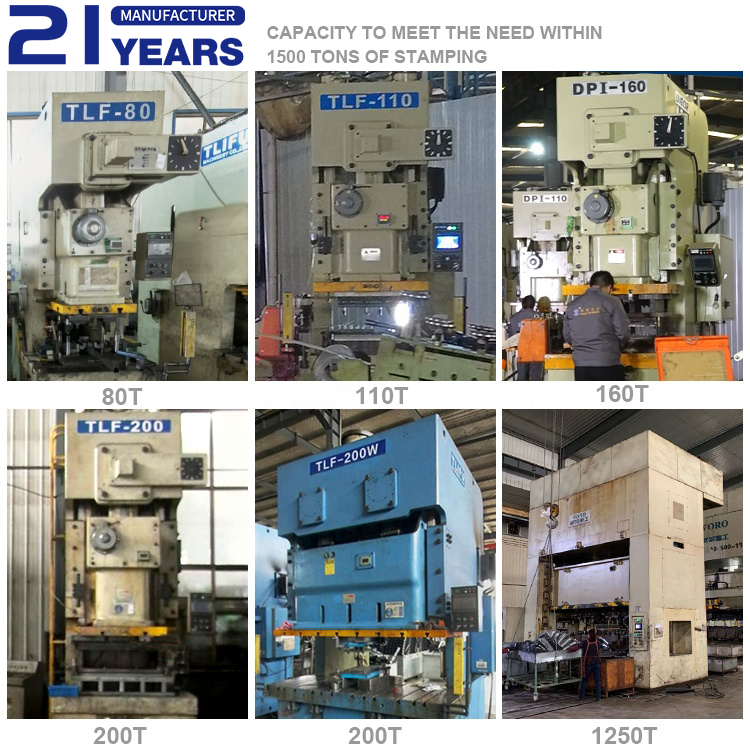
Choosing a professional manufacturer with experience in metal stamping and automotive hardware production helps reduce these risks. High-quality production processes ensure that license plate bracket products provide stable performance, accurate dimensions, and long service life.

What Is a Plate Bracket?
- A plate bracket is a mounting component designed to secure a vehicle license plate to the front or rear of a vehicle. It creates a stable connection between the vehicle body and the plate while maintaining proper positioning and visibility. Depending on vehicle design, a plate bracket may be installed directly onto the bumper, grille area, or designated mounting points.
- A license plate bracket is commonly used when vehicles do not have built-in mounting areas or when additional support is required. For vehicles that require front identification plates, a front license plate holder or front license plate mount provides a practical solution for secure installation.
- Modern brackets are available in different materials, including stainless steel, aluminum, plastic, and coated metal. Metal versions are often preferred because they provide higher strength and better resistance against vibration and environmental exposure.
- Beyond basic functionality, plate brackets also contribute to vehicle appearance. Many owners use decorative license plate frames or a black license plate frame to create a cleaner and more customized look. A well-designed bracket can support both standard plates and decorative frames without reducing stability.
- For automotive distributors and retailers, choosing reliable auto accessories suppliers is important because customers expect products that combine durability, easy installation, and attractive design. A quality plate bracket is not only a functional mounting part but also an accessory that improves the overall vehicle appearance.
- https://rc-hardware.com/contactnow.html

What Are the Different Types of Plate Holders?
| Type | Features | Application & Target Users |
|---|---|---|
| Standard fixed plate holder | Simple structure, firm installation, fixed with screws or original mounting holes directly | Ordinary daily vehicles |
| Front-mounted plate holder | Fix license plates on the front of vehicles, keep neat appearance while meeting display regulations | Areas mandating both front and rear license plates |
| Adjustable plate holder | Mounting position and angle are adjustable, great flexibility for matching various car models | Car enthusiasts, buyers of auto aftermarket accessories |
| Decorative plate holder | Combine basic fixing function with personalized styling, can be matched with license plate frames and protective covers | Car owners who pursue personalized appearance modification |
| Heavy-duty metal plate holder | Made of sturdy materials with advanced surface treatment, resistant to vibration and bad weather | Commercial vehicles, special vehicles, harsh outdoor working environments |

How to Fit a Number Plate Holder?
Installing a number plate holder is usually a straightforward process, but proper fitting ensures safety and durability. Before installation, users should confirm that the holder matches the vehicle model and that the mounting holes align correctly. Using an unsuitable holder may result in unstable installation or unnecessary vehicle modifications.
The first step is removing the existing plate or mounting hardware if necessary. The installation area should then be cleaned to remove dirt, dust, or debris. A clean surface helps ensure accurate positioning and prevents scratches during installation.
Next, place the license plate bracket or auto plate holder against the designated mounting area. Align the screw holes carefully and secure the bracket using appropriate fasteners. Screws should be tightened firmly but not excessively, as over-tightening may damage plastic components or vehicle surfaces.
After attaching the holder, install the license plate and any additional accessories such as license plate frames or a license plate cover. Check that the plate is straight, visible, and securely attached.
For vehicles without factory mounting points, professional installation may be recommended. Some front bumper designs require specialized brackets or adapters. Proper installation ensures that the front license plate holder remains stable during driving and maintains compliance with vehicle regulations.

How Much Does a License Plate Bracket Cost?
- The cost of a license plate bracket varies depending on material, design complexity, manufacturing quality, and additional features. Basic plastic holders are usually the most affordable option, while stainless steel or customized metal brackets generally cost more because they provide improved durability and strength.
- Standard replacement brackets are typically designed for simple installation and everyday use. Premium products may include corrosion-resistant coatings, adjustable mounting systems, decorative finishes, or additional accessories such as license plate frames.
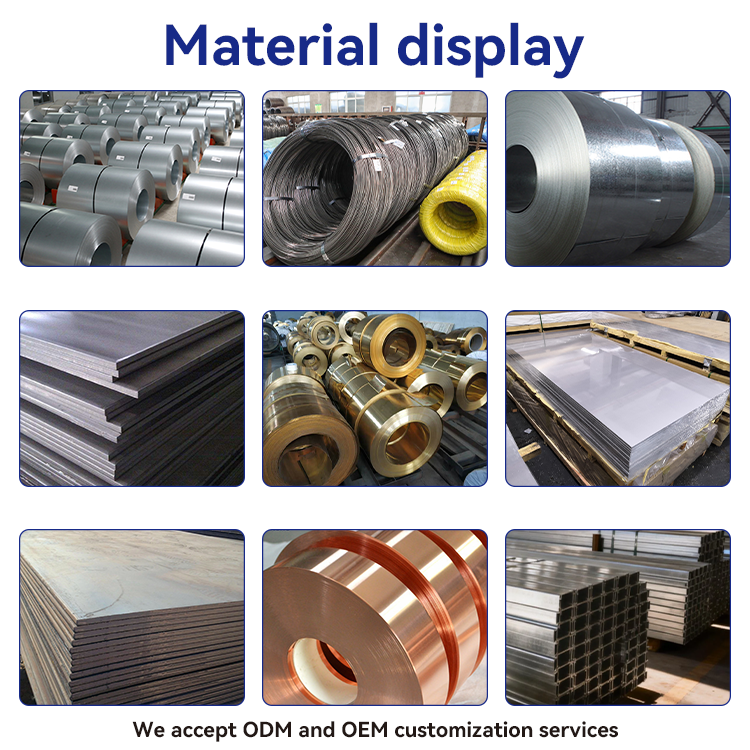
- Customization also affects pricing. Businesses ordering large quantities may request specific dimensions, logos, packaging, or materials through OEM manufacturing services. A customized auto plate holder can provide branding advantages for automotive distributors and retailers.
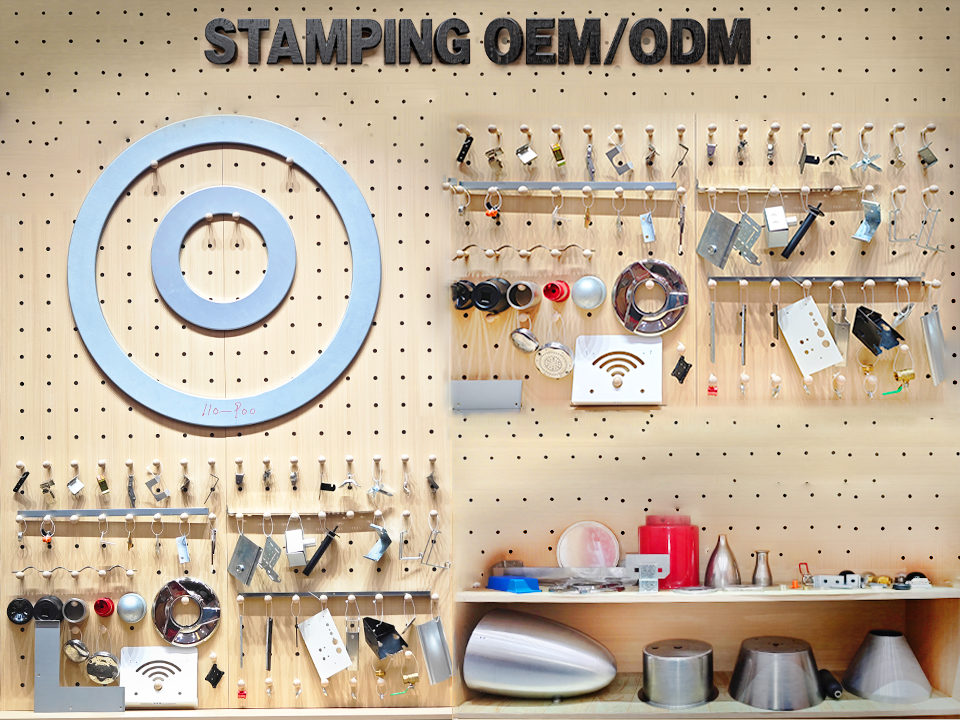
- For buyers purchasing wholesale quantities, the manufacturing process plays an important role in determining cost. Professional suppliers using precision metal stamping can produce consistent license plate bracket products with stable quality and competitive pricing.
- Although cheaper products may reduce initial expenses, higher-quality brackets often provide better long-term value through improved durability, fewer replacements, and stronger customer satisfaction. Selecting the right supplier helps balance cost, performance, and reliability.
What Are the Common Problems With License Plate Brackets?
License plate brackets are simple automotive accessories, but poor-quality products can create several common problems. One of the most frequent issues is weak material strength. Low-quality brackets may crack, bend, or become damaged after long-term exposure to vibration, weather conditions, and road impacts. A damaged license plate bracket can cause the plate to become loose or fall off, creating inconvenience and potential compliance issues.
Another common problem is incorrect fitment. Different vehicles require different mounting positions, hole patterns, and bracket designs. A universal bracket that does not match the vehicle structure may require additional drilling or modification, which can damage the vehicle surface. A properly designed front license plate holder should provide accurate alignment without affecting the vehicle’s appearance.
Rust and corrosion are also concerns, especially for vehicles exposed to rain, snow, or coastal environments. Metal components without proper surface treatment may deteriorate quickly. Selecting stainless steel, aluminum, or corrosion-resistant coated materials improves durability.
Some users also experience problems with unsuitable accessories, such as poor-quality licence plate frames or license plate covers that interfere with visibility. A reliable auto plate holder should balance secure mounting, aesthetic appeal, and legal compliance.
Choosing a professional manufacturer with experience in metal stamping and automotive hardware production helps reduce these risks. High-quality production processes ensure that license plate bracket products provide stable performance, accurate dimensions, and long service life.
Conclusion
A quality license plate bracket provides secure mounting, durability, compliance, and improved vehicle appearance for different automotive applications.



 English
 Spanish
 French
 Russian
 Portuguese
 German
 Arabic