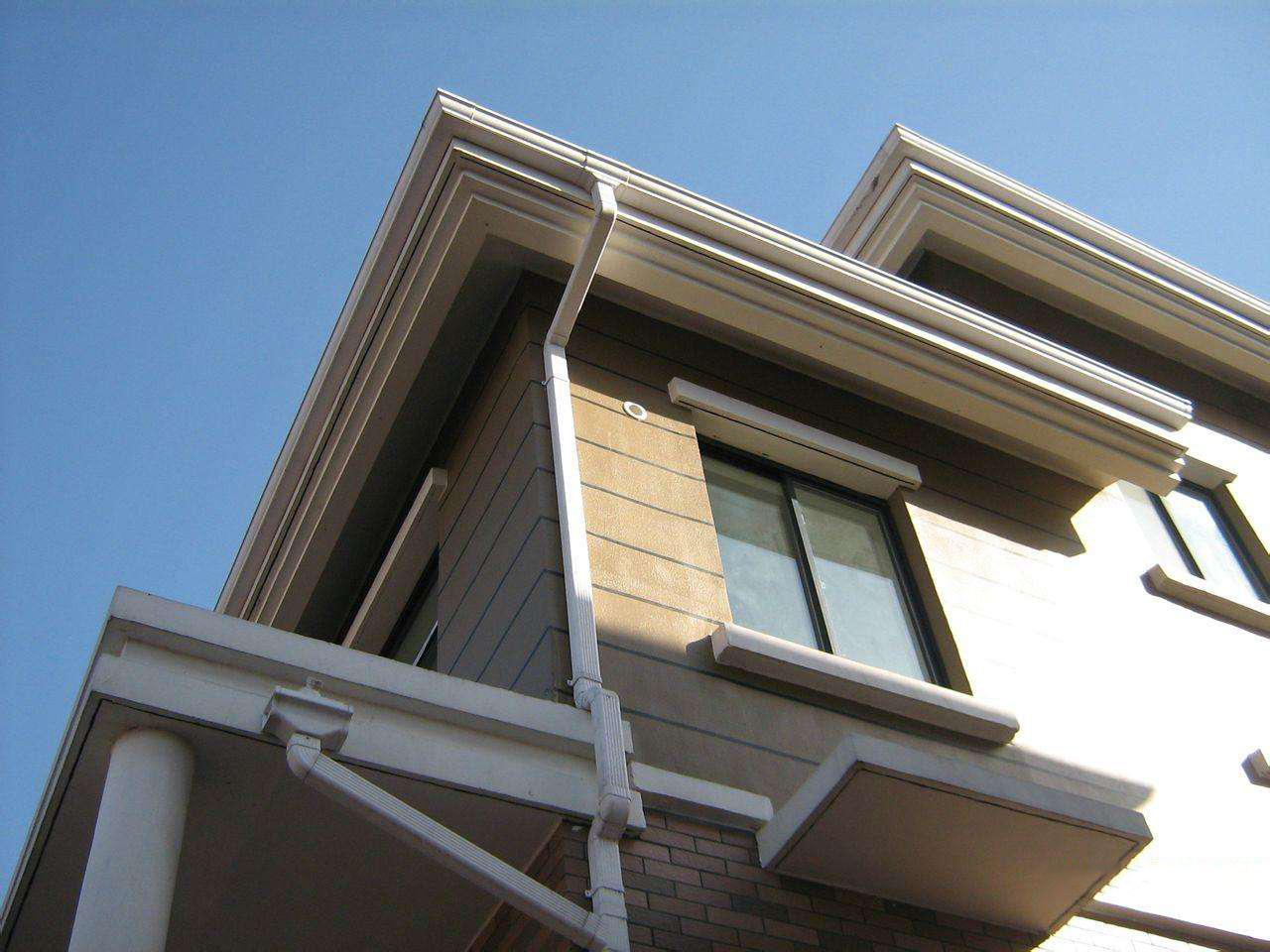
Choosing the wrong gutter type causes drainage issues, overflow, and maintenance costs. Poor water management damages buildings. Understanding gutter differences helps select the right rainwater system.
K-style gutters and half-round gutters are the two most common rainwater drainage systems. K-style gutters provide higher water capacity and modern appearance, while half-round gutters offer easier cleaning and classic aesthetics. Proper installation using gutter hangers and correct gutter hanger spacing improves the performance and lifespan of both systems.
Understanding their differences helps homeowners and contractors make better decisions.

What are the common types of rain gutters?
Rain gutters are available in several styles, but the most widely used types are K-style gutters and half-round gutters. These two systems dominate residential and commercial rainwater drainage applications due to their performance and adaptability.
- K-style gutters have a decorative crown molding-like profile. With flat back and angled front, they can drain more water than round gutters, ideal for heavy rain areas. They adopt K-style, hidden and aluminum gutter hangers for installation support.
- Half-round gutters are in smooth semicircular shape, widely used on traditional and historic buildings. The open design ensures smooth water flow, less dirt buildup and easy maintenance. They mainly match strap-type gutter hangers for fixation.
- Common other types cover box gutters, fascia gutters and seamless gutters. Box gutters are popular for commercial buildings with large water holding capacity. Seamless gutters cut down joints to effectively lower leakage risks.
Regardless of the gutter type, correct installation using gutter hanging brackets and proper gutter hanger spacing standard guidelines is essential to ensure system stability and efficient drainage performance.

Which type of gutter system is easier to install and maintain?
When comparing installation and maintenance, K-style gutters and half-round gutters each offer unique advantages. However, K-style systems are generally considered easier to install because of their flat back design. This allows contractors to directly attach them to fascia boards using hidden gutter hanger systems or k style gutter hanger accessories.
The availability of standardized accessories such as gutter hanging brackets and aluminum gutter hangers also simplifies installation. In addition, modern systems use screw-fixed hangers rather than traditional spike methods. In the comparison of gutter spikes vs hangers, hangers provide stronger support and easier maintenance.
Half-round gutters, while simpler in shape, often require specialized mounting methods. Many installations use gutter hanger with strap systems wrapped around the gutter body. This increases installation time and complexity.
Regarding maintenance, half-round gutters have an advantage because their smooth interior reduces debris buildup. Leaves and dirt are less likely to become trapped, making cleaning easier.
Ultimately, K-style gutters offer easier installation, while half-round systems provide lower maintenance requirements. The ideal choice depends on project priorities and environmental conditions.

Why Choose K-Style Gutters?
K-style gutters have become the most popular option in modern rainwater drainage systems because they combine functionality, durability, and aesthetics. One of their biggest advantages is their higher water-carrying capacity. Their deeper profile allows them to manage larger rain volumes than half-round gutters of similar width.
- The large water-holding capacity makes K-style gutters perfect for storm-prone and heavy rainfall areas. Reasonable hanger spacing and high-quality aluminum gutter hangers keep the system stable under heavy pressure.
- They fit well with modern installation techniques. Hidden gutter hangers deliver neat looks and stronger structure. The flat back design eases installation and positioning, favored by constructors.
- Featuring crown molding-style decorative outline, K-style gutters match modern building styles with both beauty and practicality.
- Various matched brackets and hangers are easy to source, lowering installation difficulty and daily maintenance expenses.
For homeowners seeking efficiency, appearance, and durability, K-style gutters remain one of the best choices available.

How do you prevent clogs in K-style gutters?
Preventing clogs is essential for maintaining the efficiency of K-style gutter systems. Because these gutters handle large water volumes, blockages can quickly lead to overflow, structural stress, and drainage failure.
| Category | Content |
|---|---|
| Regular Gutter Cleaning | Gutters should typically be cleaned twice a year, while areas with many trees may require more frequent maintenance. Removing leaves and debris prevents excessive loading on the gutter hanger system. |
| Gutter Guards Installation | Mesh covers and screens reduce debris entry while maintaining water flow. This minimizes maintenance frequency and protects the drainage system. |
| Proper Gutter Hanger Spacing | Sagging gutters caused by incorrect spacing create water pooling areas where debris accumulates more easily. Following standard gutter hanger spacing recommendations ensures smooth water movement and contributes to clog prevention. |
| Correct Downspout Placement & Sufficient Slope Maintenance | Poor alignment of downspouts and insufficient slope may trap debris and reduce drainage efficiency. Correct placement and adequate slope are equally important for clog prevention. |
| Use of Durable Gutter Hanger Systems & High-Quality Brackets | Using durable hidden gutter hanger systems and quality gutter hanging brackets keeps the gutter profile stable, reduces structural deformation, and improves the long-term performance of the drainage system. |
With proper maintenance and installation, K-style gutters can operate efficiently for many years with minimal clogging issues.

What happens if it rains with no gutters?
Rain without gutters can cause serious damage to buildings and surrounding landscapes. Gutters play a critical role in directing rainwater away from the structure. Without them, water falls directly from the roof edge and accumulates near the foundation.
Over time, this water buildup may lead to soil erosion, basement flooding, and foundation damage. Exterior walls may also suffer from staining, mold growth, and moisture penetration.
Roof edges and fascia boards become more vulnerable without a proper hang gutter system. Continuous water exposure accelerates material deterioration and shortens building lifespan.
Landscaping is another concern. Heavy roof runoff can destroy gardens, wash away soil, and damage pathways. Proper gutter systems supported by gutter hangers and gutter hanging brackets prevent these problems by controlling water flow.
Even temporary solutions are preferable to having no drainage system at all. Modern installations using hidden gutter hanger designs and aluminum gutter hangers provide long-term reliability and efficient water management.

Ultimately, gutters are not optional accessories—they are essential protective components for preserving building integrity and preventing expensive repairs.K-style and half-round gutters each offer unique advantages. Proper selection, installation, and gutter hanger spacing ensure efficient drainage, reduced maintenance, and long-lasting building protection.