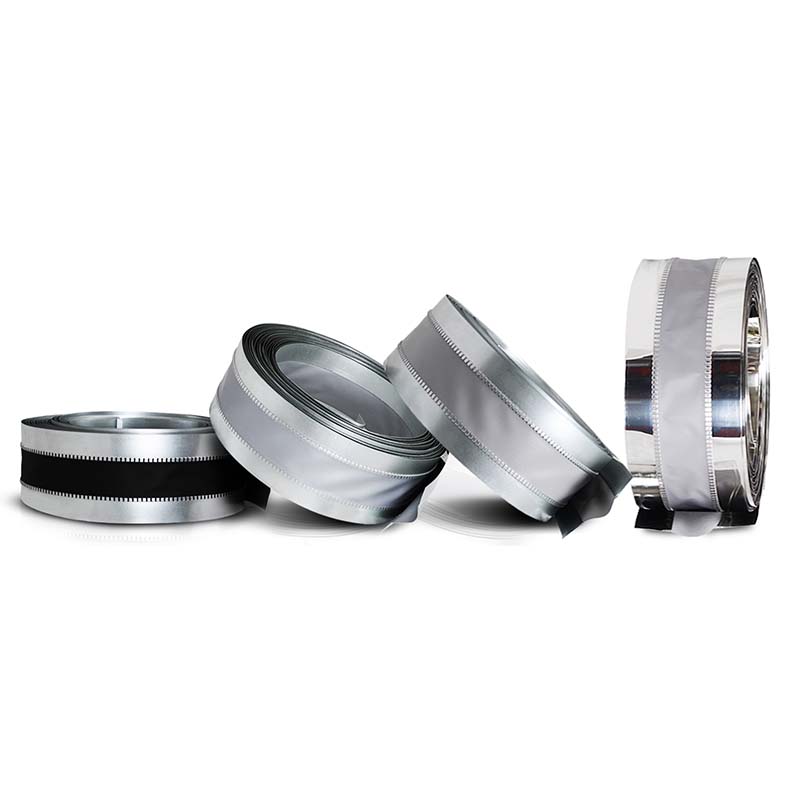
Poor material selection in flexible connectors causes leaks, vibration damage, and system failure. These issues increase costs. Choosing the right material ensures durability, efficiency, and long-term performance.
Flexible connectors are critical components used to absorb vibration, compensate for misalignment, and maintain system integrity. Available in materials like rubber, PVC, fabric, and metal, each type offers unique advantages for HVAC, piping, and industrial systems. Selecting the right flexible connector improves durability, reduces maintenance, and enhances overall system efficiency.
Understanding material differences helps optimize performance and avoid costly mistakes.

What is a flexible connector used for?
- Core Definition & Basic Function
Serves to connect two sections of a system (e.g., HVAC ducts, industrial/piping pipes), and enables movement, vibration absorption and slight misalignment compensation between connected components.
- HVAC System Application & Role
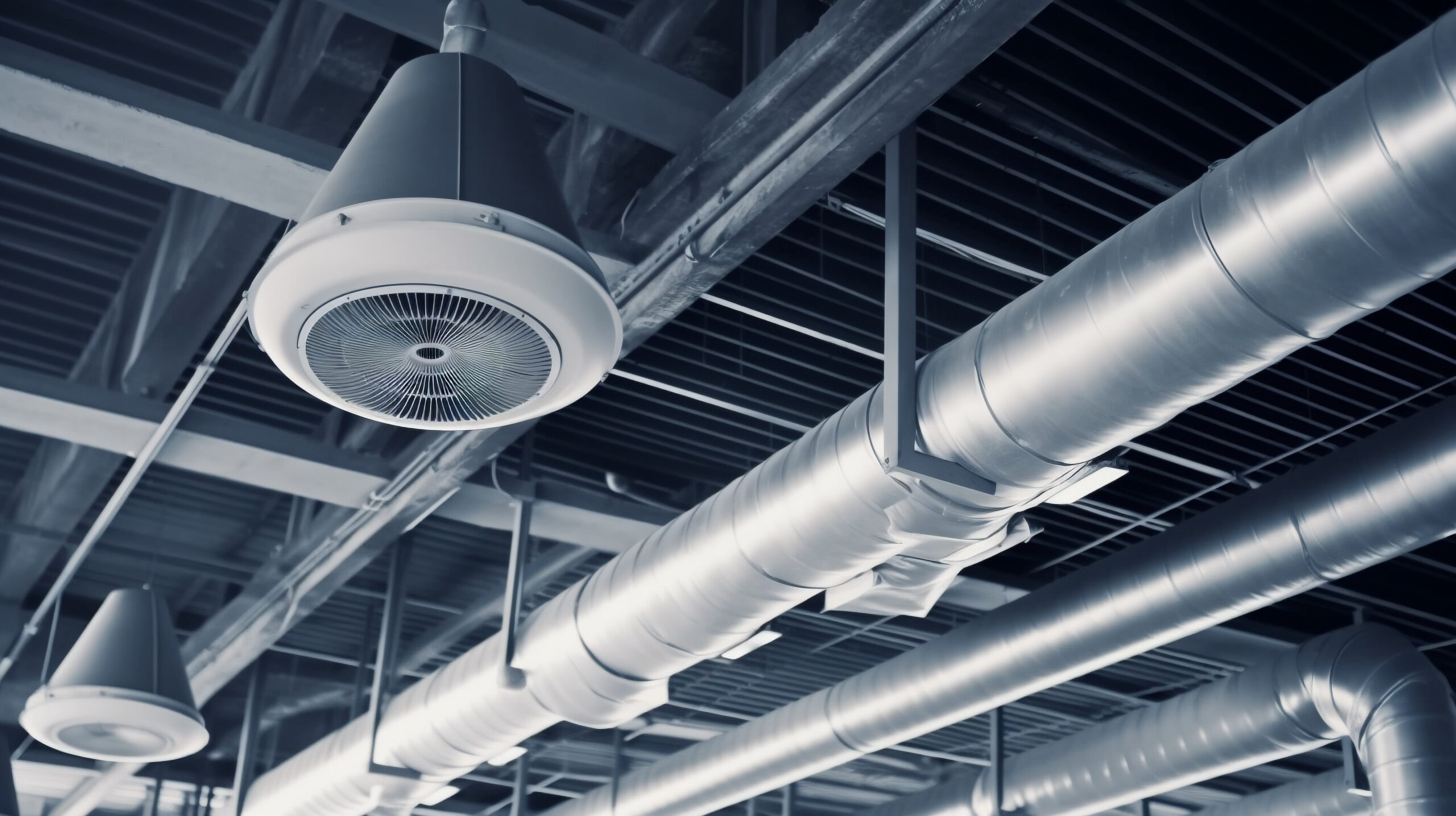
- A dedicated HVAC flexible duct connector is critical for isolating vibrations from fans or air handling units, avoiding vibration transmission to the rigid ductwork.
- Typically installed between mechanical equipment and rigid air ducts; an air duct flexible connector maintains airflow stability while reducing operational noise and structural stress on the duct system.
- Piping System Application
Flexible PVC connectors (flexible PVC pipe connectors) are adopted to connect pipes that expand, contract or shift due to temperature changes and pressure variations.
- Plumbing & Industrial System Application
Connector flexible hose solutions are widely used, including copper pipe to flexible hose connector installations; they facilitate easier system installation and maintenance, especially in compact or complex layout scenarios.
Overall, a flexible connector enhances system reliability by accommodating movement and reducing mechanical strain, making it an essential component in modern engineering systems.

How do you install a flexible connector?
Installing a flexible connector requires careful attention to alignment, sealing, and support to ensure optimal performance. The first step is to select the appropriate connector flexible type based on the application, such as an HVAC flexible duct connector or a PVC flexible connector for piping systems.
During installation, the connector should be positioned between two rigid sections, ensuring there is no excessive tension or compression. Proper alignment is critical to prevent stress on the connector, which could lead to premature failure. In HVAC systems, flexible duct connectors are typically attached using clamps, flanges, or screws to ensure a secure and airtight connection.
For systems using flexible PVC connectors, solvent welding or mechanical fittings may be required, depending on the design. Ensuring a tight seal is essential to prevent leaks and maintain system efficiency. In addition, adequate support should be provided to avoid sagging or overloading the connector.
It is also important to avoid twisting or overextending the connector during installation. Following proper installation guidelines not only extends the lifespan of the flexible connector but also ensures safe and efficient system operation.

What materials are flexible connectors available in?
| Material Type | Key Properties | Typical Applications |
|---|---|---|
| Rubber | High flexibility, excellent vibration absorption | HVAC systems, general piping systems |
| PVC | Lightweight, corrosion-resistant, cost-effective | Water supply systems, drainage systems (flexible PVC pipe connectors) |
| Fabric-based | Optimized for airflow handling, effective noise and vibration reduction | HVAC systems (HVAC flexible duct connectors, air duct flexible connectors) in commercial buildings |
| Metal (e.g., stainless steel) | High strength, superior durability, heat/pressure resistance | High-temperature, high-pressure industrial environments; heavy-duty industrial applications |
Each material provides unique benefits, and selecting the right one depends on factors such as temperature, pressure, chemical exposure, and movement requirements.

What risks will be caused to the pipeline if the flexible connector is not installed?
Failing to install a flexible connector can lead to several serious risks in both HVAC and piping systems. One of the most common issues is vibration transmission. Without a flexible duct connector, vibrations from equipment can travel through the system, causing noise, structural damage, and component wear.
Thermal expansion and contraction are also major concerns. Pipes and ducts naturally expand and contract with temperature changes. Without flexible PVC connectors or similar components, this movement can create stress on joints, leading to cracks or leaks.
Misalignment is another risk. During installation or operation, slight misalignments can occur between connected components. Without a connector flexible solution, these misalignments can cause excessive strain, reducing system lifespan.
In addition, the absence of a flexible connector increases the likelihood of joint failure. This can result in air leaks in HVAC systems or fluid leaks in piping systems, reducing efficiency and increasing operational costs.
Overall, not using flexible connectors compromises system stability, safety, and performance, making them an essential component in modern engineering design.

How to determine the right flexible connector for your needs?
- Clarify the Application Type
The first step is to confirm the specific application scenario, including HVAC systems, piping systems or industrial applications; different scenarios match dedicated connectors (e.g., HVAC flexible/air duct flexible connectors for HVAC systems, PVC flexible connectors for plumbing systems).
- Prioritize Material Selection Based on Operating Conditions
Material selection is a critical step, which needs to be determined according to actual operating conditions such as temperature, pressure and chemical exposure; e.g., metal connectors for high-temperature environments, PVC connectors for low-pressure working conditions.
- Ensure Size Matching and System Compatibility
The selected connector must be consistent with the dimensions of pipes/ducts to achieve a proper fit, and its overall performance needs to be compatible with the whole system requirements.
- Evaluate Installation and Maintenance Requirements
Fully consider the actual installation conditions of the connector and the subsequent daily maintenance needs during the selection process.
- Cooperate with Experienced Manufacturers
Choosing manufacturers with rich experience can obtain high-quality products and customized solutions, which is a strong guarantee for the later use of the connector.
- Core Value of Rational Selection
Selecting the right flexible connector can effectively improve system operation efficiency, reduce subsequent maintenance work and ensure the long-term reliable operation of the whole system.
Flexible connectors enhance system flexibility, reduce vibration, and prevent damage. Choosing the right material and installation method ensures durability, efficiency, and reliable performance across HVAC and piping applications.

Or further questions, please contact [email protected].