A buying and engineering guide to gang nail plates — how pressed-metal teeth engage timber, how loads move through a truss joint, what material and geometry to specify, and what to verify before placing a bulk order.

Weak joints can turn a well-designed timber structure into a difficult problem for the builder, especially when roof trusses or floor trusses depend on repeated connections across many prefabricated components. The challenge is not simply joining two pieces of wood. The connection needs to transfer forces consistently while maintaining the geometry of the assembled structure. A gang nail plate provides a mechanical connection by pressing multiple formed teeth into adjoining timber members. Instead of relying on a few individual nails or bolts, the connection distributes the jointing action across a larger plate area. For manufacturers, wholesalers, and structural wood component buyers, plate dimensions, tooth configuration, material, surface treatment, and production consistency all matter. Choosing the right metal connector plate therefore starts with understanding how the connection works.
A gang nail plate strengthens structural wood connections by embedding multiple metal teeth into adjoining timber members. Commonly used in prefabricated roof and floor trusses, the plate distributes connection forces across its toothed area. Material, plate geometry, tooth configuration, wood species, grain direction, and installation method must match the structural design requirements.
For wholesalers, truss manufacturers, and construction-product distributors, the question is not only whether a gang nail plate works. The more practical question is whether the Supplier can consistently manufacture the required plate geometry, material, finish, and quantity for your projects. That is where a reliable Manufacturer becomes important.
What Is a Gang Nail Plate and How Does It Work?
A gang nail plate, also called a nail plate connector, truss connector plate, or metal connector plate, is a formed metal plate used to join timber members. The plate contains rows of pointed teeth formed from the metal itself. During installation, the teeth are pressed into the wood at the joint, creating mechanical engagement between the plate and the timber.

In prefabricated timber trusses, the wood members are positioned on a jig before the connector plates are pressed into the joints. Plates are commonly installed over the joint between adjoining members, with the teeth penetrating the timber. This creates a connection without requiring a separate nail or screw at every tooth location. Industry references describe this pressed-tooth connection as a standard method for manufacturing metal-plate-connected wood trusses.
The basic working sequence is straightforward:
- Timber members are positioned according to the structural design.
- The gang nail plate is placed across the joint.
- Pressure is applied using suitable pressing equipment.
- The formed metal teeth penetrate the wood fibers.
- The embedded plate provides mechanical interaction between the connected timber members.
This process is particularly suitable for industrialized wood-frame production because many similar joints can be manufactured using controlled positioning and pressing procedures. That repeatability is one reason metal connector plates are widely associated with prefabricated timber trusses.
How Does a Gang Nail Plate Transfer Loads Through a Wood Joint?
The key to understanding a gang nail plate is to look beyond the metal plate itself. The plate is part of a complete connection system involving the steel plate, formed teeth, timber fibers, joint geometry, and direction of the applied load.
When forces act on the connected wood members, the connection must transfer those forces through the embedded teeth and plate. The performance of the connection depends on factors such as the wood species, grain direction, tooth orientation, plate characteristics, and embedment method. Structural design standards therefore consider the resistance of the plate and its teeth rather than treating every nail plate as interchangeable.
| Connection Factor | Why It Matters |
|---|---|
| Plate Geometry | Determines the available connection area and how the plate covers the timber joint. |
| Tooth Configuration | Provides mechanical engagement with the timber fibers. |
| Wood Species | Influences how the teeth embed into and interact with the timber. |
| Grain Direction | Can affect connection resistance and load behavior. |
| Plate Orientation | Must correspond to the intended load direction and structural design. |
| Embedment Method | Controlled pressing helps achieve consistent tooth penetration. |
A larger plate is not automatically a stronger solution. The correct gang nail plate needs to be selected and designed for the specific structural application. Current research on metal-plate-connected timber joints also shows that joint stiffness and load-bearing behavior depend on plate anchorage and the interaction between the plate and timber.
Where Are Gang Nail Plates Used in Structural Wood Framing?
Gang nail plates are strongly associated with prefabricated timber trusses, particularly roof trusses and floor trusses. They are also used in other engineered or prefabricated wood-frame applications where multiple timber members need to be connected at a designed joint.

- Roof trussesresidential and commercial buildings
- Floor trussesengineered floor systems
- Timber framingprefabricated wood structures
- Wood wall panelsmodular construction components
- Structural wood connectionsmanufactured in controlled factory environments
Metal tooth plate connectors are widely used in parallel and pitched chord trusses, where multiple timber members meet at designed connection points.
The advantage for truss manufacturers is not simply the connector itself. The entire process can be organized around factory prefabrication. Timber members can be cut, positioned, connected, inspected, bundled, and transported as completed assemblies. Historical industry records also document how gang-nail connector plates became closely linked with the development of prefabricated wood truss manufacturing.
For a buyer sourcing structural wood connectors, this means the required plate should be considered together with the intended truss design, timber dimensions, production process, and applicable structural requirements. A full range of wood and timber connectors is normally reviewed at the same stage as the truss drawing.
What Materials and Finishes Are Used for Gang Nail Plates?
Material selection directly affects the manufacturing characteristics and service environment of a gang nail plate. Industry products commonly use steel, with galvanized steel being a common choice for punched metal plate fasteners. Some product ranges also offer different steel grades or finishes for specific applications.

| Specification | Common Buyer Considerations |
|---|---|
| Base Material | Carbon steel, galvanized steel, or other specified steel grades |
| Surface Treatment | Galvanized or other finish according to application and specification |
| Plate Thickness | Selected according to product design and structural requirements |
| Plate Width | Must provide suitable coverage across the timber connection |
| Plate Length | Determined by joint configuration and design requirements |
| Tooth Geometry | Must be controlled for consistent forming and embedment |
Published commercial examples show that gang nail plate products can be supplied in different widths, lengths, thicknesses, tooth dimensions, and finishes. These values should not be treated as universal specifications. For structural applications, buyers should provide the required drawings, dimensions, material grade, finish, and applicable design requirements before production.
A commonly requested configuration is a galvanized steel gang nail plate, 280 × 100 mm, stamped pronged, for wooden house and timber roof construction. It is a useful reference point, but the plate for your project should still follow your own drawing and structural requirements.
How Are Gang Nail Plates Manufactured?
For a Manufacturer, producing a gang nail plate is not simply a matter of cutting a piece of sheet metal. The defining feature of the product is the formed tooth pattern, which requires controlled tooling and stamping.

A typical manufacturing flow can include:
This is where an experienced metal stamping manufacturer can provide value beyond the basic product. Stable tooling, controlled feeding, repeatable forming, and batch inspection are important when thousands of similar connector plates are required.
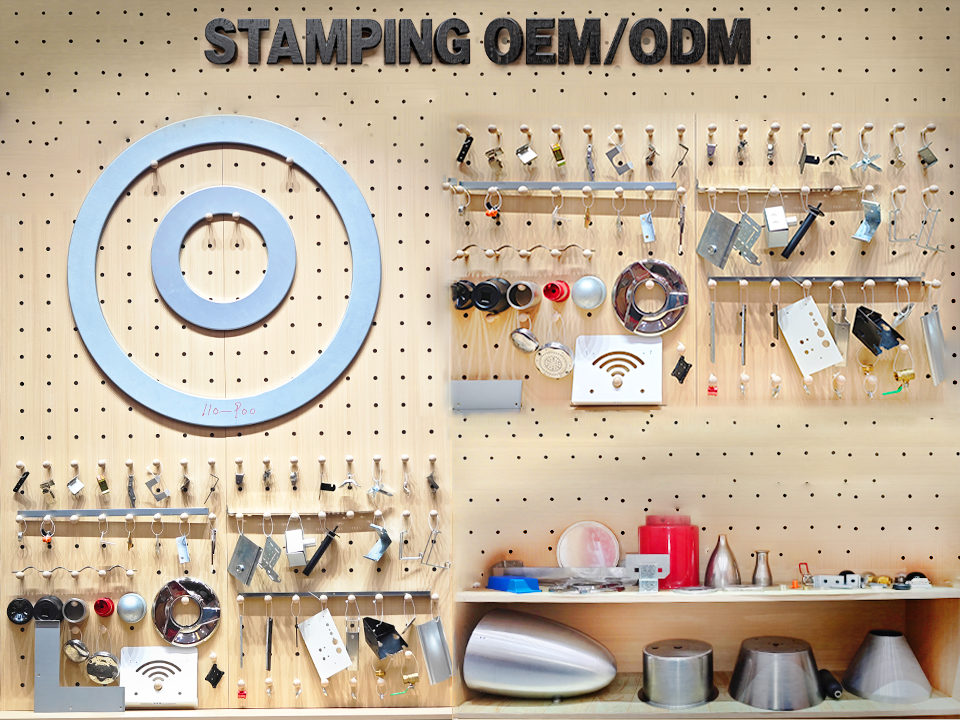
For OEM and ODM buyers, the production discussion can also include Customizable dimensions, material selection, surface treatment, packaging, labeling, and tooling requirements. The exact production route should follow the customer’s drawings and approved specifications rather than assuming one standard design fits every structural application.
What Should Buyers Check When Choosing a Gang Nail Plate Supplier?
For wholesalers and structural wood-product manufacturers, the lowest unit price is rarely the only factor that matters. A gang nail plate is a small component, but inconsistent dimensions or tooth formation across a large batch can create problems during production.

Before placing a bulk order, buyers should confirm:
A capable Gang Nail Plate Manufacturer should be able to discuss these requirements before production instead of treating the product as a generic piece of stamped metal. For distributors and importers, that early technical communication can reduce repeated sampling, inconsistent batches, and unnecessary production delays.
RC Hardware Manufacturer provides metal stamping and custom hardware production for buyers who need specific dimensions, materials, tooling, packaging, and production quantities. For OEM and ODM projects, buyers can provide drawings, product samples, dimensions, or project requirements for production evaluation.

Need Custom Gang Nail Plates for Your Structural Wood Projects?
If you are sourcing gang nail plates for roof trusses, floor trusses, timber framing, or other structural wood applications, send us your drawing, sample, dimensions, material requirements, or estimated order quantity.
We can review the specification for OEM, ODM, and bulk production and provide a factory-direct quotation based on your requirements.