Poorly connected flexible ductwork can cause air leakage, weak connections, and reduced HVAC efficiency. A properly selected flexible duct connector and correct installation method can prevent these problems and improve system performance.
A flexible duct connector joins flexible ductwork to HVAC equipment or other duct sections while helping accommodate movement, vibration, and minor alignment changes. The correct connector, fastening method, duct strap, and sealing method depend on the duct size, system design, and installation environment.
If you are working with flexible duct for HVAC, the connection method matters more than it first appears.

What Is a Flexible Duct Connector?
A flexible duct connector is a component used to connect sections of ductwork or connect ductwork to HVAC equipment while providing a degree of flexibility between connected components. Unlike a completely rigid connection, a flexible connection can help accommodate vibration, movement, and minor dimensional changes within an HVAC ventilation system.
A flex duct connector is commonly used around air handling equipment, fans, air conditioning units, ventilation equipment, and other areas where mechanical vibration may be transferred through the duct system. By providing a flexible interface, the connector can help reduce the direct transmission of vibration between equipment and connected ductwork.
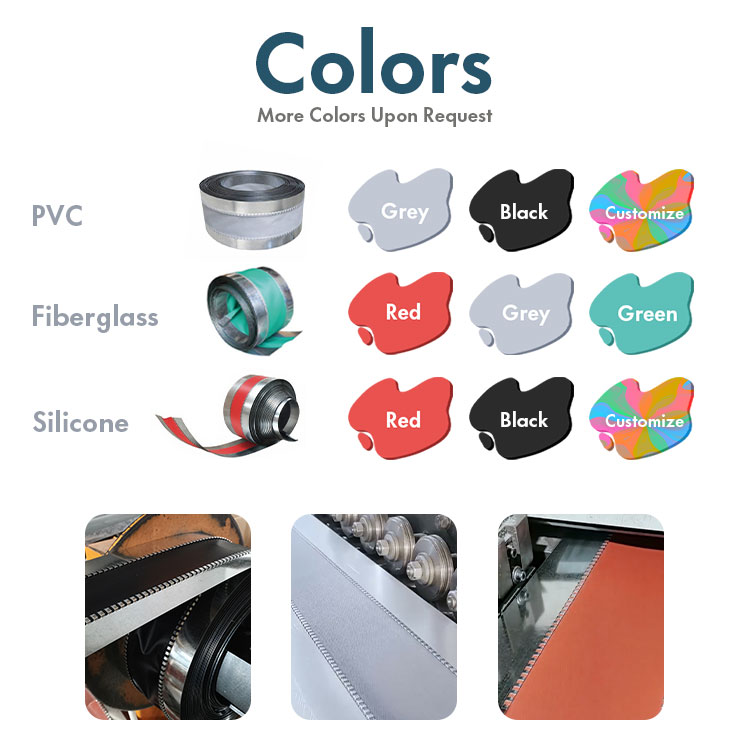
The actual construction of a duct flexible connector depends on the application. Some systems use flexible fabric or coated materials, while other applications may use metal or specially formed components. The connector needs to be selected according to the operating conditions, duct dimensions, temperature, pressure, and connection structure.
For commercial and industrial HVAC applications, the connector may also need to work with a duct flange or other mechanical connection. Proper dimensions are important because a connector that is too loose, too tight, or incorrectly aligned may create leakage or installation problems.
When considering how does an HVAC system work, it is useful to remember that airflow depends on the performance of the entire distribution system. A flexible duct connector is only one component, but a poorly installed connection can affect the performance of the larger system.


How to Join Two Pieces of Flexible Duct?
Joining two pieces of flexible duct requires the correct connector and a secure fastening method. The basic objective is to create a continuous airflow path while preventing the joint from separating or leaking.
First, confirm that both duct sections have compatible diameters and construction. The ends should be cut cleanly and positioned so that the inner liner can be properly connected. A suitable duct connector or coupling can then be inserted between the two sections.
The flexible duct is typically secured around the connection using an appropriate mechanical fastening method. Depending on the system design, this may include clamps, straps, or other approved fastening components. A duct strap can also be used to support the ductwork and prevent excessive sagging, but support straps should not be treated as a substitute for a proper connection.
The connection should then be sealed using a suitable HVAC sealing material. The exact sealing method depends on the duct construction, pressure requirements, and applicable installation standards.
For larger commercial systems, the connection should also be checked for alignment and mechanical stability. Excessive bending immediately next to the joint can place unnecessary stress on the connection.
A reliable connection therefore involves three basic considerations: correct connector size, secure mechanical fastening, and appropriate air sealing.

How to Split a Flexible Duct?
Splitting a flexible duct means creating a branch connection so that one main duct can supply airflow to multiple outlets or areas. This is common in residential and commercial HVAC ventilation system layouts where airflow needs to be distributed across several rooms or zones.
A branch connection should not simply be created by cutting a random opening into the flexible duct. The branch fitting needs to be selected according to the main duct diameter, branch diameter, airflow requirement, and available installation space.
For example, a larger main flexible duct may connect to a branch fitting that divides the airflow into two smaller duct sections. Each branch should be securely connected and sealed to reduce leakage.
The layout also matters. Flexible duct should be installed with smooth routing and without unnecessary sharp bends. Excessive compression or tight bends can restrict airflow and increase system resistance.
For projects using flexible rectangular ductwork, the connection method will differ from round flexible duct because the profile, joining structure, and supporting arrangement are different. The same principle still applies: the branch connection should maintain the intended airflow path and provide adequate mechanical support.
When designing a branch system, engineers should consider:
- Main duct and branch duct dimensions
- Required airflow for each branch
- Connector compatibility
- Available installation space
- Support and suspension requirements
- Sealing requirements
- Bends and overall duct routing
The result should be a controlled branch connection rather than simply dividing the duct physically.

What Is the Difference Between Flex Duct and Flex Connectors?
Flex duct and flex connectors may sound similar, but they serve different purposes in an HVAC system.
Flexible duct is used as an actual airflow passage. It transports conditioned or ventilated air from one point to another and can be routed through spaces where rigid ductwork would be difficult to install.
A flex connector, by comparison, is generally used to provide a flexible interface between components. It is commonly installed near HVAC equipment such as fans or air handling units where vibration isolation and movement accommodation are important.
In simple terms, flexible duct is primarily responsible for air distribution, while a flexible connector is primarily responsible for connection and flexibility between system components.
Flexible duct for HVAC may include an insulated structure, inner liner, reinforcement, and outer jacket. A flex connector may instead be a shorter component designed specifically around equipment or duct connections.
Choosing between them is therefore not simply a matter of selecting whichever product is more flexible. The application, airflow path, equipment connection, vibration conditions, dimensions, and installation method all need to be considered.
For manufacturers and distributors, clearly distinguishing these products is also important when developing product specifications, packaging, and installation instructions.


How Do I Connect Flexible Duct to Rigid Duct?
Connecting flexible duct to rigid duct requires a suitable transition or connector that matches the dimensions and connection structure of both duct sections.
The first step is to confirm the diameter or profile of the rigid duct and the flexible duct. If the dimensions are different, a suitable reducer or transition may be required rather than forcing the flexible duct onto the rigid section.
The flexible duct should then be positioned over the appropriate connection area with sufficient overlap for mechanical fastening. A clamp or other suitable fastening method can be used to secure the duct. The joint should also be properly sealed to reduce air leakage.
Where the rigid duct uses a duct flange, the connection may require a compatible flange-based flexible connector or transition component. The specific configuration depends on the HVAC equipment and duct design.
Support is another important consideration. Flexible duct should not hang directly from a connection point because excessive weight or movement can place stress on the joint. Proper duct strap spacing and support help maintain the intended routing and reduce unnecessary loading.
For larger systems, the transition should also be checked for alignment, airflow direction, accessibility, and maintenance requirements.
A well-designed flexible-to-rigid connection should therefore provide:
- Compatible dimensions
- Secure mechanical fastening
- Proper air sealing
- Adequate duct support
- Smooth airflow transition
- Sufficient allowance for movement where required

Custom Flexible Duct Connector Solutions for HVAC Applications
Different HVAC projects rarely have exactly the same connection requirements. Equipment dimensions, duct profiles, flange arrangements, materials, operating environments, and installation methods can vary from one project to another.
For this reason, a Customizable duct flexible connector can be developed around specific application requirements. Manufacturers may work from drawings, samples, dimensions, material specifications, or existing connection components to determine the appropriate construction.
For OEM and ODM projects, customization may include dimensions, materials, connection methods, mounting details, and packaging requirements. Production consistency is particularly important when the same component will be used across large quantities of HVAC equipment or duct systems.
RUICHI has more than 20 years of factory production experience and provides OEM/ODM services covering product design, mold manufacturing, material preparation, production, packaging, and quality inspection. Its manufacturing capabilities include metal stamping, with stamping capacity up to 1250 tons, automatic feeding systems, progressive molds, and a wide range of metal materials.
If you are looking for a reliable HVAC connector manufacturer or need a Customizable solution for your duct system, RUICHI can review your drawings, samples, dimensions, or project requirements and provide a suitable manufacturing solution.