Most custom sheet metal enclosure projects do not fail on price. They fail on specification, tooling, tolerance and timing. This guide walks through the seven problems that interrupt a project between drawing approval and container loading — what causes each one, and the practical fix that stops it.

Ask ten importers what went wrong on their last custom sheet metal enclosure order and you will get ten different stories, with the same root cause underneath. The project rarely fails at the press. It fails earlier, in the gap between the drawing that was sent and the specification that was actually built to.
A custom sheet metal enclosure is a tolerance chain, not a single part. Cutting, forming, welding, surface treatment and assembly each add deviation, and every stage inherits the accuracy of the one before it. The seven problems below are what happens when one link in that chain was assumed instead of agreed — and all of them are cheaper to fix before tooling than after.
This guide is written for the people who place the order: procurement managers, engineers, importers and distributors buying custom sheet metal enclosures, chassis, cabinets and stamped housings. Each of the seven sections follows the same structure — the symptom you would actually notice, the cause behind it, and the fix that prevents it on the next order.
Why Custom Sheet Metal Enclosure Projects Go Wrong
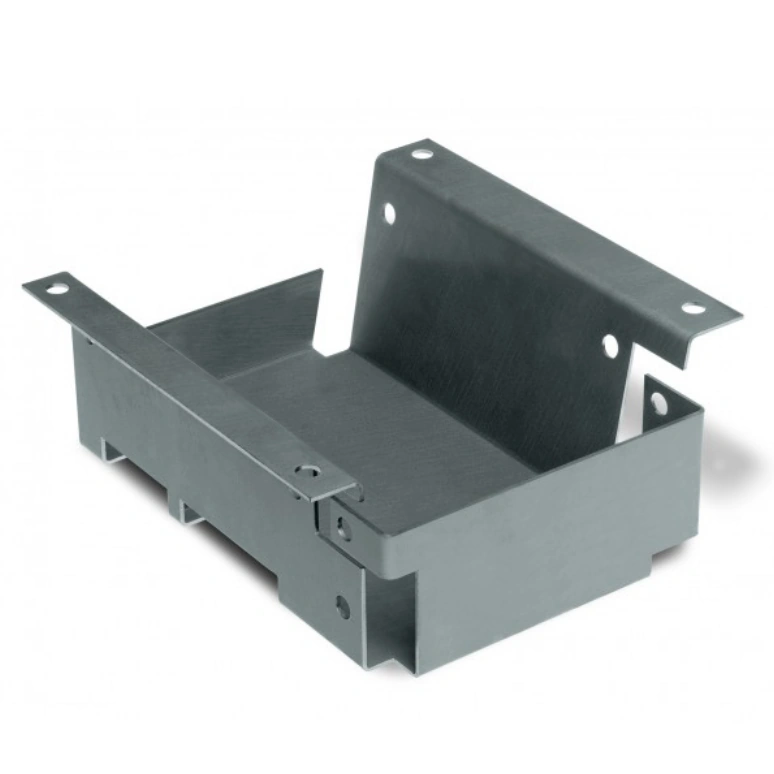
A custom sheet metal enclosure is produced as a sequence of forming operations, not as a single item. By the time a box, cabinet or chassis is packed for export it has usually passed through five stages, and each stage inherits the accuracy of the one before it.
- Cutting and blanking — sheet is cut to the flat pattern, normally by laser cutting or turret punching.
- Forming — the flat blank is bent into shape on press brakes, or formed in a stamping die.
- Joining — panels are spot welded, laser welded, riveted, or assembled with inserts and fasteners.
- Surface treatment — galvanizing, powder coating, electrophoretic coating or brushing.
- Assembly and packing — hardware, labels, transit protection and export cartons.
Because the stages are cumulative, a problem rarely announces itself where it happens. A blank cut slightly oversized becomes a bend slightly out of position, which becomes a cover that will not close, which only shows up when the customer assembles the finished unit. That is why almost every fix in this article is an agreement made before production rather than a correction made after it.
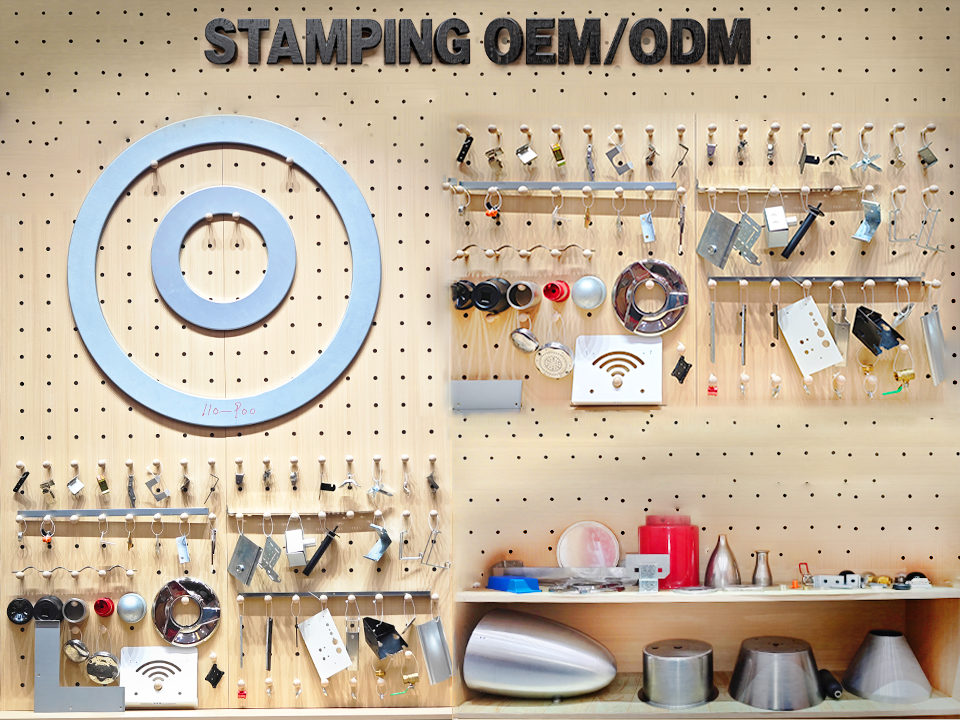
The five stages above are also why the sourcing route matters. A supplier who runs cutting, forming and finishing under one roof controls one tolerance chain; a supplier who subcontracts each stage controls none of them. Our sheet metal stamping and fabrication services are set up on the first model, which is what makes an eight-point specification agreement enforceable rather than aspirational.
Problem 1: The Drawing and the Quotation Describe Two Different Parts
The symptom. The quotation comes back noticeably lower than everyone else. Six weeks later the cartons arrive, and the lid is a gauge thinner than the drawing, the weld nuts are missing, and the drain slot has quietly become a round hole.
The cause. This is rarely deliberate. It is what happens when a supplier prices what they believe they can make rather than what the drawing actually specifies. If the enquiry says “1.5 mm steel” and nothing more, both a 1.2 mm and a 1.5 mm interpretation can be defended by the time the material is ordered — and one of them is 20% cheaper.
The fix. Require the quotation to restate the specification it is priced against: material grade, sheet thickness and thickness tolerance, surface finish, and any deviation from the drawing. If the supplier proposes a change, they should mark it up on the drawing and return it. A quotation that contains only a number is not a specification, and it cannot be compared with a quotation that contains one.
A supplier who returns your drawing with comments before quoting is doing you a favour. A supplier who returns only a price is asking you to trust an interpretation that was never written down.
Problem 2: Material Grade and Thickness Are “Matched”, Not Specified
The symptom. The parts look right, but the weight is slightly off, the finish behaves differently after a year outdoors, or the threads pull out at a lower torque than the sample did.
The cause. In stainless work, “304” is the specification that drifts most often. Grade 201 is a legitimate material and it is cheaper, but it is not 304. The same pattern appears with galvanized coating weight, with aluminium temper, and with thickness itself — a sheet described as 1.5 mm is normally supplied to a mill tolerance, not to an exact dimension, so the number on the drawing and the number on the coil can differ.
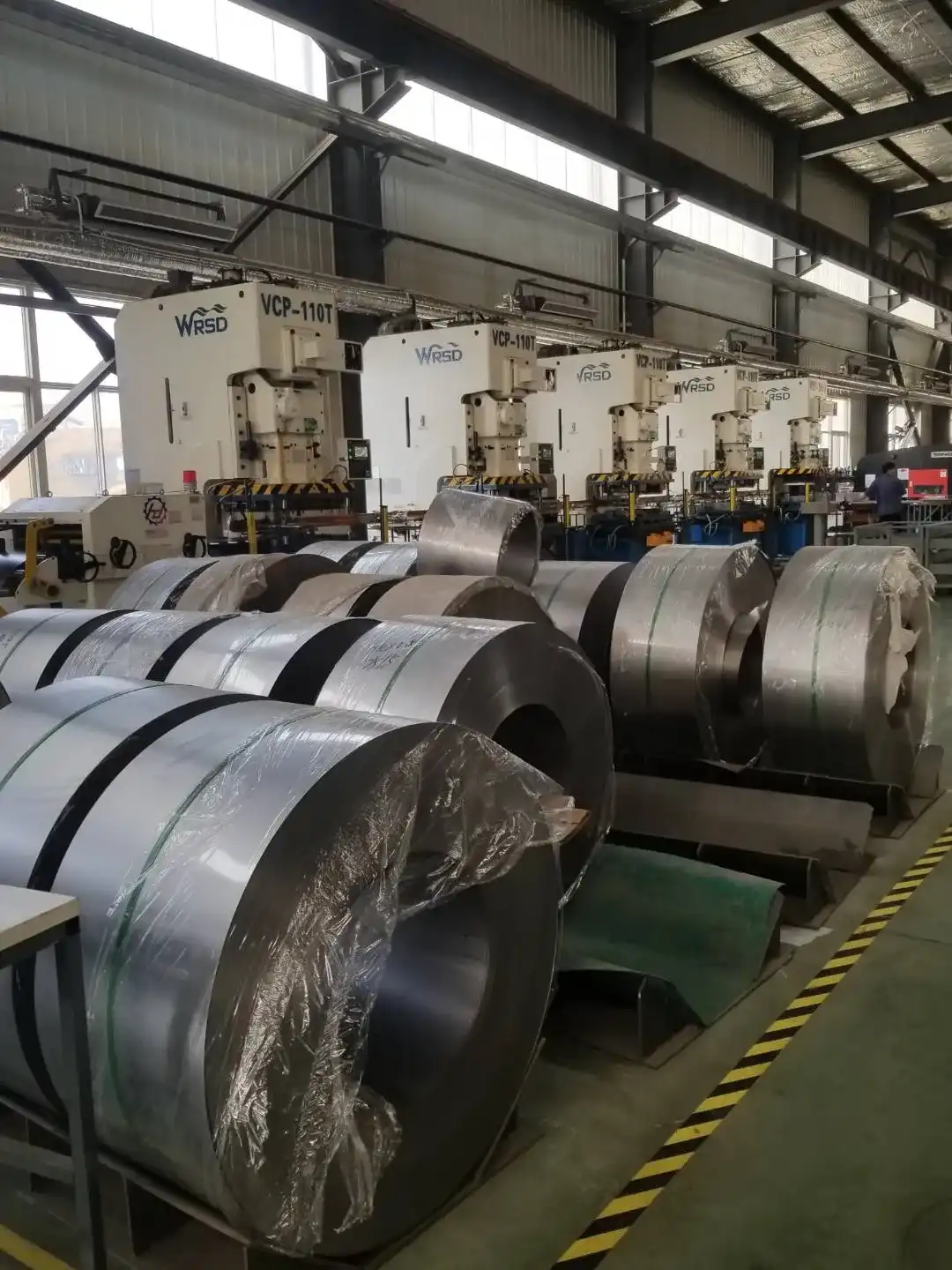
The fix. Write the specification as grade plus standard plus thickness plus thickness tolerance, and ask for the mill certificate or material traceability record with the first shipment. If a substitution is genuinely acceptable for the application — a painted internal bracket that will never be seen, for example — agree it deliberately and record it, rather than leaving it to the purchasing process to decide. Our range of processed materials covers carbon steel, stainless steel, galvanized sheet, aluminium and copper, which is precisely why the grade has to be named rather than implied.
Problem 3: Tooling and NRE Costs Appear After the Price Is Agreed
The symptom. The sample was cheap and quick. Then, after the purchase order is placed, a tooling invoice arrives for a die that was never mentioned in the quote.
The cause. An enclosure that needs piercing, forming and embossing at volume usually needs a progressive or compound die, and that die is a real capital cost. Some suppliers absorb it into the unit price, some quote it separately, and some quote a “sample price” that quietly excludes it. None of these are wrong; the problem is not knowing which one you are looking at.
The fix. Settle four things before the purchase order, not one:
- Tooling price and payment terms
- Who owns the tool
- Where it is stored and who maintains it
- What happens to it when the programme ends
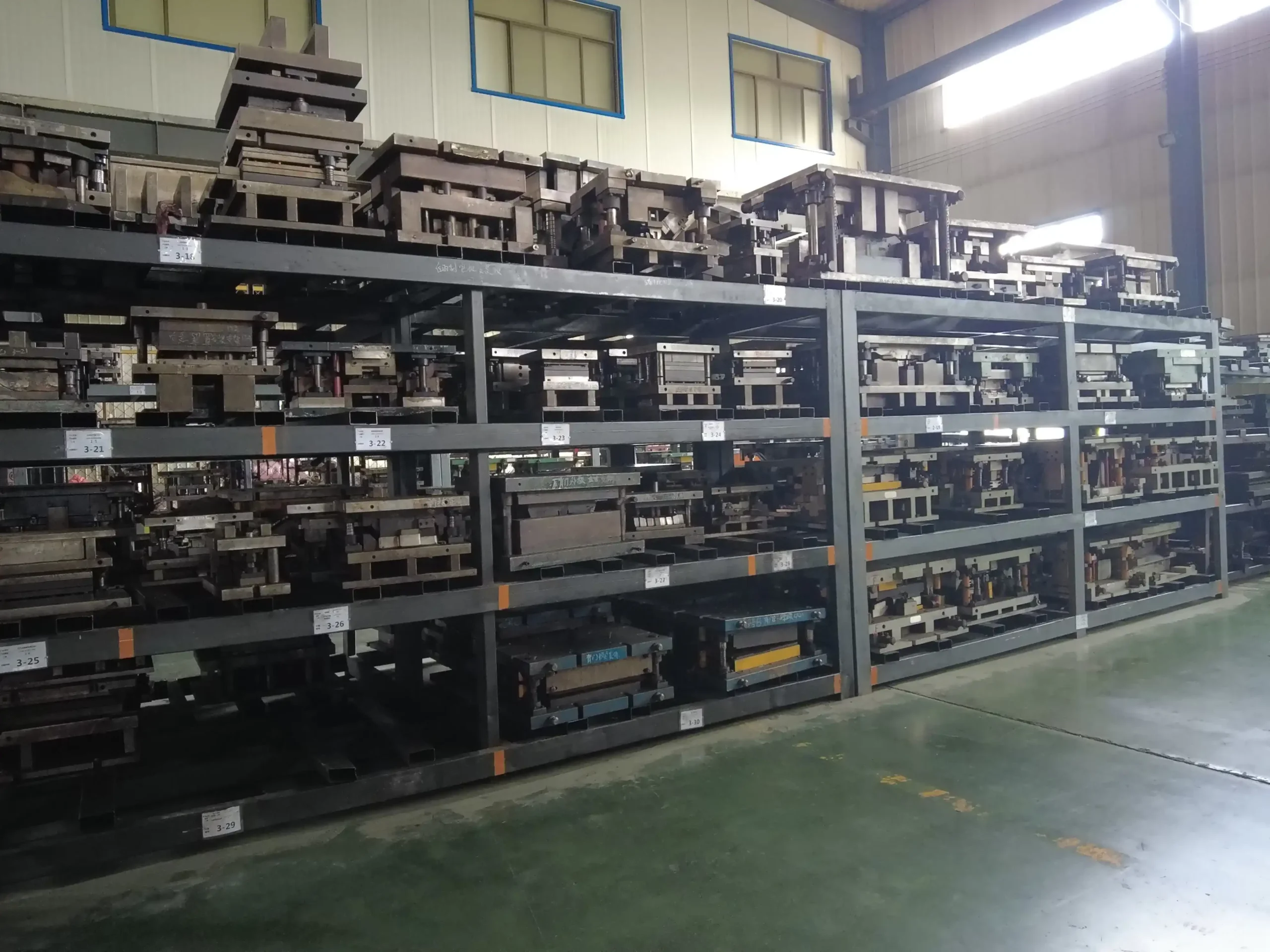
For low volumes and prototypes, the more useful question is often whether new tooling is needed at all. Laser cutting plus press brake forming can produce enclosures in the hundreds without a die, which removes both the tooling cost and the tooling lead time, at a higher unit price. Buyers comparing the two routes can review the metal stamping service, the CNC bending service and the laser cutting service side by side before deciding where the crossover point sits for their volume.
Problem 4: Tolerances Drift Between the Sample and the Production Batch
The symptom. The approved sample fitted perfectly into the assembly. The production batch does not, and the gap is only a few tenths of a millimetre — which is exactly the range that stops a cover closing or a connector seating.
The cause. It usually starts with the sample itself. If the first article was laser cut and hand formed by a technician, it represents the best the part can be, not the typical output of the tooling that will make five thousand of them. Add die wear, spring-back variation in bending, and a different operator on a different shift, and the drift appears.
The fix. Four changes remove most of it:
- Approve a sample that comes off production tooling, not a hand-finished one
- Sign it and retain it, with the measurement report attached
- Ask which dimensions move as the tool wears, and in which direction
- Put the critical-to-assembly dimensions on the drawing as toleranced features, not general notes
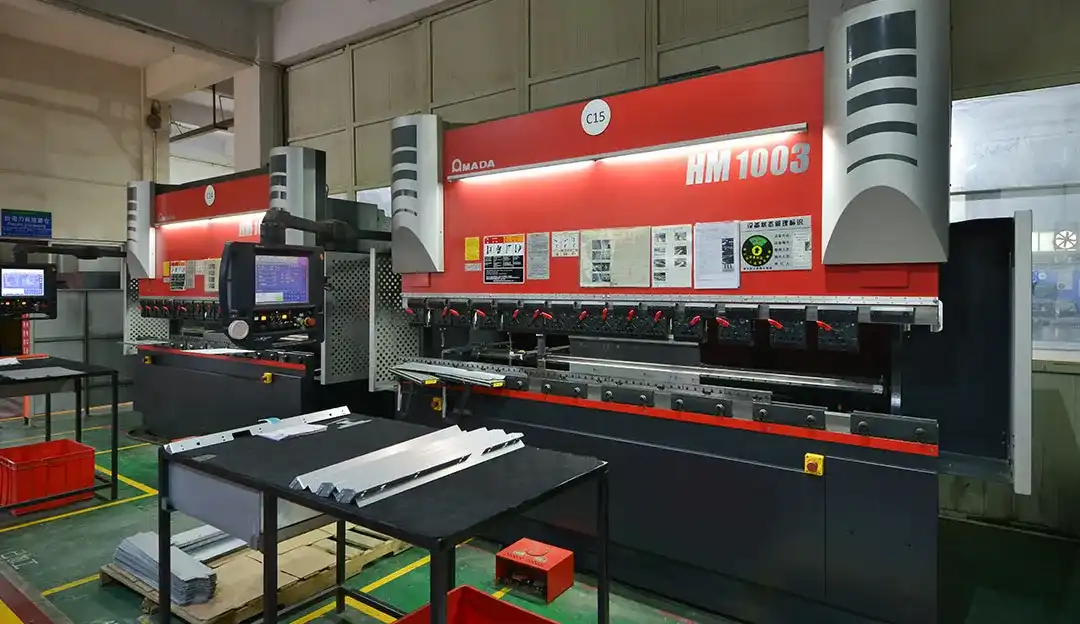
The last point is the one buyers most often skip. A mounting hole pitch, a cover gap or a flange height that carries a general block tolerance is effectively untoleranced: it will be measured against whatever the drawing’s title block happens to say, which may be looser than the assembly can accept. Naming the three or four dimensions that actually matter, and letting the rest be free, is what makes a dimensional report meaningful. Our testing and inspection process works from exactly that list.
Problem 5: Surface Finish and Colour Shift From Batch to Batch
The symptom. Batch two is a visibly different black from batch one. Or the brushed grain runs the other way on half the consignment. Or the first units are already scratched before they leave the pallet.
The cause. Powder coating is a process, not a product name. Colour varies with the powder lot, the film thickness, the cure temperature and the line speed, and the pre-treatment decides whether the coating still looks like that after a salt-spray test. Brushed and anodized finishes introduce a direction as well, which is invisible on a single sample and obvious on a pallet.
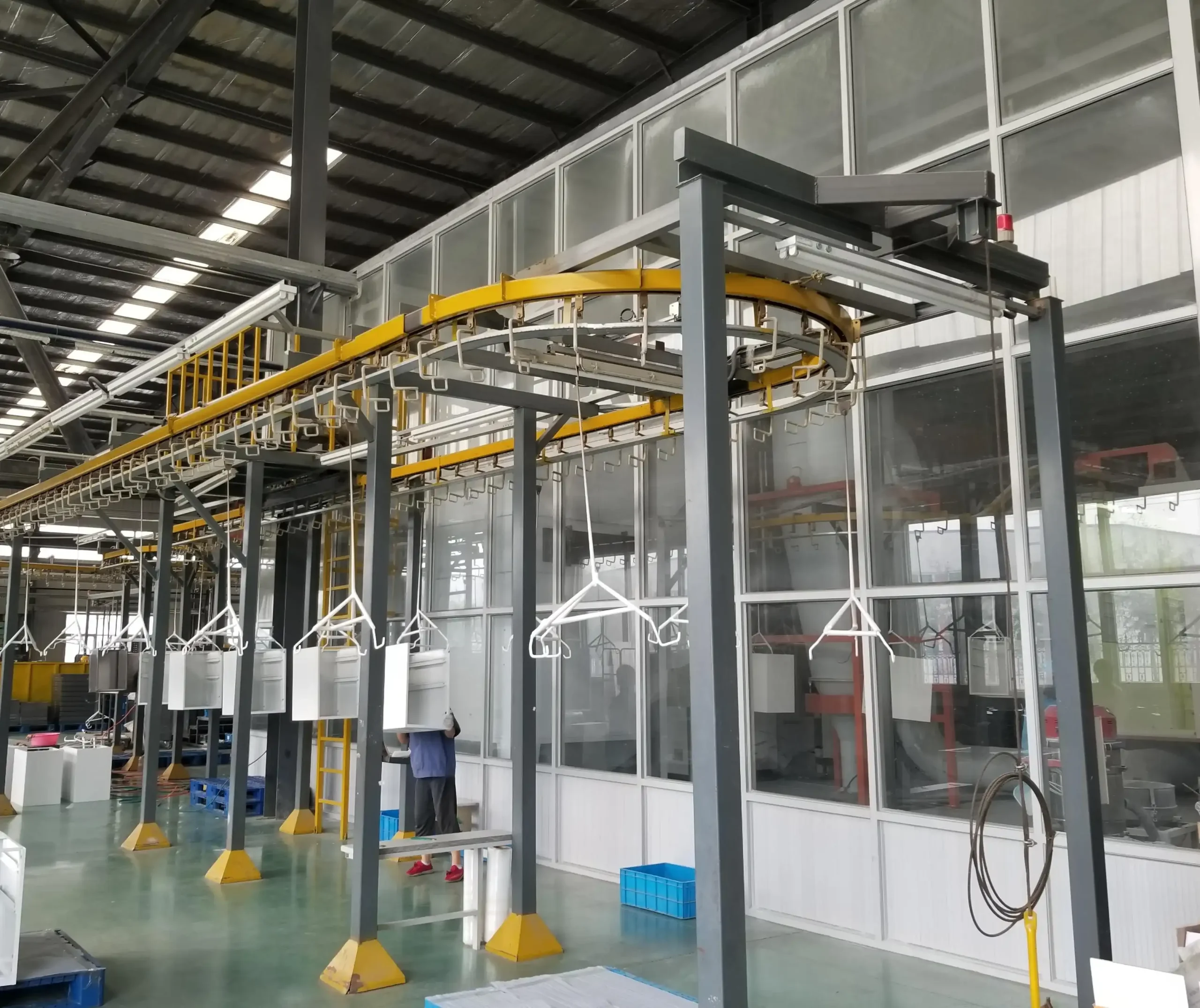
The fix. Five items close the gap:
- Colour reference number, plus gloss level and target film thickness
- A retained colour sample from the approved first batch
- Grain or brushing direction, if the part is visible in service
- Masking requirements — threads, mating faces, earth points
- Transit protection: interleaved, bagged or foam-separated, not stacked bare
“Black powder coated” is a description, not a specification. RAL 9005 at 30% gloss with a 70 µm film is a specification, and it can be inspected. The same principle applies at the end of the line rather than the start: parts that are stacked bare and shipped across an ocean will arrive with rub marks regardless of how good the coating was. Details of the full surface treatment process and the available custom packaging options are usually agreed together, because they fail together.
Problem 6: Lead Time Slips With No Visibility Until the Vessel Is Missed
The symptom. Silence, then “one more week”, three times, and then the booking is missed and the goods wait for the next sailing.
The cause. The quoted lead time usually describes production. It rarely describes drawing approval, tooling, first article approval or pre-shipment inspection — which is where the weeks actually go. When those steps are not scheduled, every day lost in the first two is recovered from the last two, and the last two are the ones sitting in front of the cut-off.
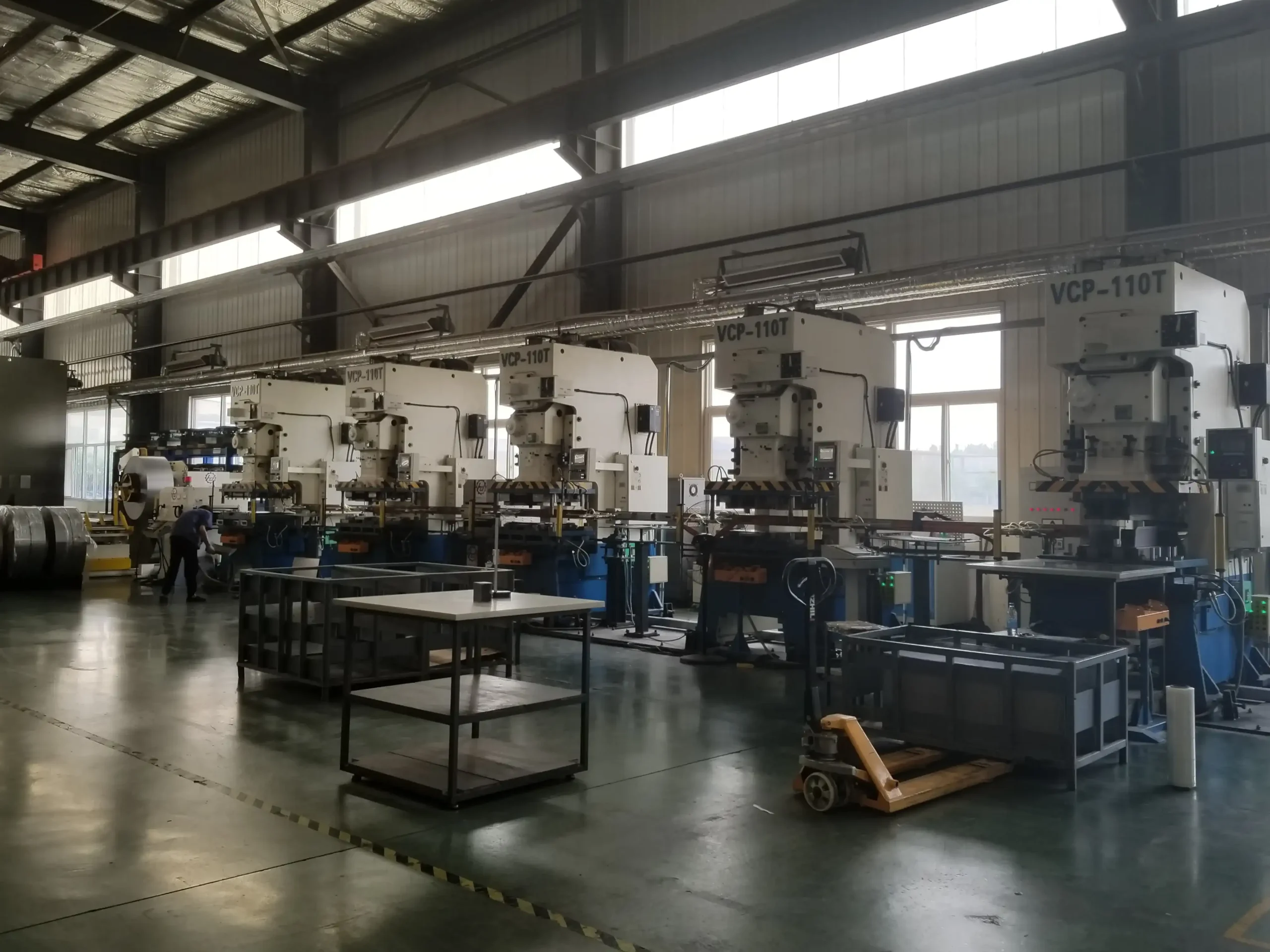
The fix. Agree a milestone schedule with dates and a reporting cadence, in the same document as the price:
The single most useful thing a buyer can do is build the buffer in front of the vessel cut-off rather than behind it. An enclosure that clears inspection two weeks early is insurance; one that clears it two days early is a gamble. For consolidated or multi-supplier orders, transport and shipping arrangements should be agreed at the same time as the production dates, not after them.
Problem 7: No DFM Feedback Until the Tooling Is Already Cut
The symptom. The first parts come off the die and a feature is wrong. A bend line sits too close to a pierced hole and the material tears. An emboss that looked fine in 3D will not draw in a single hit. A return flange cannot be formed in the same station as the tab it belongs to.
The cause. The buyer sent a drawing and asked for a price. The supplier answered the question that was asked. Nobody reviewed the part for manufacturability, because nobody was asked to — and by the time the die is cut, that review costs a die rather than a phone call.
The fix. Ask for a DFM — design for manufacture — review before tooling is released, and make it a condition of the order. It does not need to be a report; a marked-up drawing and a list of comments is enough. The points worth covering are always the same six:
- Material and thickness suitability for the geometry
- Minimum bend radius and bend relief
- Hole-to-bend and hole-to-edge distance
- Tolerance stack on the critical dimensions
- Surface treatment and masking feasibility
- Stackability and packaging of the finished part
If a supplier cannot comment on how your part will be made, they are trading your drawing rather than manufacturing it. The mould design and tooling stage is the correct place for that conversation, and it is the cheapest point in the whole project to change your mind.
How to Solve All Seven: the Pre-Order Checklist
Every problem in this article is a decision that was never written down. Eight items close the gap, and none of them costs money:
1Write the specification, not the part name
Grade, standard, sheet thickness and thickness tolerance, surface finish, and the standard the part will be measured against.
2Make the quotation restate the drawing
If the supplier proposes a change, they mark it up and return it. Two quotes priced against the same specification are comparable; two quotes alone are not.
3Agree the tooling terms
Price, payment, ownership, storage, maintenance, and what happens to the tool if the programme ends.
4Approve a production sample
Taken from the production process, measured, signed and retained — not a hand-finished unit.
5Fix the finish by number
Colour reference, gloss level, film thickness, masking and grain direction, plus a retained colour sample.
6Lock the milestone schedule
Drawing approval, tooling, first article, production start, inspection and booking — each with a date.
7Ask for a DFM review
Before the die is cut. A marked-up drawing and a comment list are enough.
8Agree the inspection and the packaging
Who measures what, which report you receive, and how the parts are protected in transit.

None of the eight items above is unusual, and none of them requires a specialist. What they require is a supplier willing to put them in writing. That is the practical difference behind an ISO-based quality management system: not the certificate on the wall, but the fact that the specification, the sample and the inspection record are all traceable to the same document.
What to Send With Your RFQ
The quality of a quotation is limited by the quality of the enquiry. This is the information that removes the guesswork — and the absence of any one line is what produces the “unexpected” cost later.
| Item | What to include |
|---|---|
| Drawing | 2D PDF with tolerances, plus 3D STEP or IGES if available. A marked-up drawing beats a catalogue photo every time. |
| Material | Grade and standard, sheet thickness, and thickness tolerance. State whether substitution is permitted. |
| Quantity | Prototype quantity, first order quantity, and expected annual volume — the volume decides whether tooling is justified. |
| Surface finish | Process, colour reference number, gloss level, film thickness and masking requirements. |
| Tooling | Whether the tool is new, existing, or owned by you, and whether you expect to pay for it separately. |
| Inspection | Critical dimensions, acceptance criteria, and which report you expect to receive with the shipment. |
| Packaging | Inner and outer packing, labelling, pallet specification, and any transit protection requirement. |
| Delivery | Required date, Incoterm, destination port, and the milestone dates you need reported. |
The most expensive line missing from an RFQ is the thickness tolerance. Without it, the drawing specifies a number that the material itself is allowed to miss.
Buyers preparing a first enquiry can review the OEM and ODM service introduction before the drawings are finalised — it sets out what happens between an enquiry and a production release, which is the part of the process that decides whether the schedule holds.
Frequently Asked Questions
Why does my custom sheet metal enclosure cost more than the first quotation?
The first quotation is usually priced against an assumed specification — a lighter gauge, a simpler finish, or general tolerances instead of the ones on the drawing. The final price normally moves because the specification was confirmed, not because the supplier changed their mind. Fixing the specification before the quotation is the single most effective way to make the first number reliable.
Should I pay for new tooling, or ask the supplier to use their existing dies?
If the part has to match your drawing exactly, new tooling is usually the honest answer. An existing die belongs to the enclosure the supplier already makes, and a part adapted to fit it is a different part. For low and medium volumes, laser cutting plus press brake forming is often a better route than a new die — it removes tooling cost and tooling lead time, at a higher unit price.
What is the most common cause of a custom enclosure failing inspection?
In practice it is one of two things: a dimension that was never toleranced on the drawing, or a surface condition that was never defined — a scratch standard, a colour reference or a film thickness. Both are specification gaps rather than manufacturing failures, which is why acceptance criteria belong in the quotation stage.
How can I check batch-to-batch consistency before the goods ship?
Agree three things in advance: a signed production sample to compare against, a written list of critical dimensions with their tolerances, and a measurement report issued with each batch. A retained sample plus a dimensional report turns a subjective argument at the port into a documented comparison.
RC Hardware Manufacturer produces custom sheet metal enclosures, chassis, cabinets and stamped components for industrial, electrical, HVAC and building-hardware applications. Projects are quoted from a drawing or a sample, and the specification, sample and inspection record stay linked to the same order.
Send the Drawing, Not Just the Idea
Whether you are releasing a new enclosure or fixing a problem with an existing one, the fastest route to a quotation you can rely on is a drawing, a sample, or a clear set of requirements.
Send us your drawing, sample, material, sheet thickness, surface finish, quantity and target delivery date — and we will come back with a specification note alongside the price.